





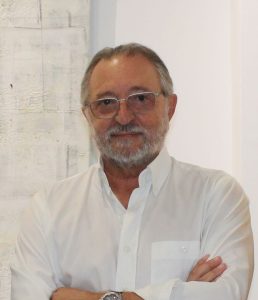
Juan Carmona
Una vez aprobada la Constitución, que preveía la organización del Estado español mediante regiones descentralizadas que se ocuparían de gestionar algunas de las competencias estatales (pensando en las más cercanas a los ciudadanos), se abrió la «caja de los truenos»; una verdadera carrera para definir esas regiones, luego llamadas comunidades autónomas, y para repartir o trocear la Administración Central del Estado.
La Constitución contemplaba dos tipos de comunidades reguladas por sendos artículos: la vía rápida del artículo 145, y la lenta del artículo 143.
En un principio, el Parlamento, estimó que la vía rápida era la prevista para las llamadas “comunidades históricas”: Cataluña, País Vasco y Galicia. Pero resultó que Andalucía, que había tenido un tímido movimiento regionalista durante el periodo republicano, rápidamente se alzó con un clamor identitario, que bien utilizado por el profesor y parlamentario de la UCD, el sr. Clavero Arévalo, consiguió incorporarse a la vía rápida, y fue considerada también autonomía de, digamos, primera clase. Todo ello previo referendum que se celebró el día 28 de febrero con resultado favorable, aunque raspado. El NO a la autonomía sólo resultó ganador, por estrecho margen, en Almería.
A partir de ahí comenzaba la lucha para conseguir los mismos traspasos de competencias estatales que las comunidades históricas. Un objetivo que el Gobierno socialista de la Junta de Andalucía, primero con Rafael Escuredo de presidente y después con José Rodríguez de la Borbolla, consiguió culminar no sin esfuerzo porque, aunque ambos gobiernos eran socialistas (el de Madrid y el de Sevilla) parece que ya entonces pesaban más los poderes facticos de Cataluña y el País Vasco.
Y aquí estamos, muchos años después, en un proceso que parece que aún no ha acabado, porque los vascos y los catalanes siguen pidiendo más y más.
Personalmente viví en directo aquel proceso. Y aunque yo no lo tenía muy claro, ahora reconozco que nos ha salvado de la incompetencia de los gobiernos centrales. La descentralización hace que el país funcione, aunque el Gobierno nacional sea un desastre y esté casi bloqueado.
____________________________________
REGIONAL AUTONOMY ON A 28 FEBRUARY
Once the Constitution was approved, which envisaged the organisation of the Spanish State through decentralised regions that would be responsible for managing some of the State’s competences (thinking of those closest to the citizens), it opened up a real race to define these regions, later called Autonomous Communities, and to divide up or split the State’s Central Administration.
The Constitution envisaged two types of communities regulated by two different articles: the fast track of Article 145, and the slow track of Article 143.
Initially, Parliament considered that the fast track was the one envisaged for the so-called «historical communities»: Catalonia, the Basque Country and Galicia. However, it turned out that Andalusia, which had had a timid regionalist movement during the republican period, quickly rose up with a clamour for identity, which Mr Clavero Arévalo, a professor and member of the UCD, used to good effect, and managed to incorporate itself into the fast track, so that it was also considered a first-class autonomy. All this after a referendum was held on the 28th of February which produced a positive result, albeit only a narrowly successful one. A narrow NO vote against autonomy was only narrowly supported in Almería.
From then on, the struggle to achieve equal transfer of state powers to the historical communities began. A goal that the Socialist government of the Junta de Andalucía, first with Rafael Escuredo as president and then with José Rodríguez de la Borbolla, managed to achieve not without effort for, although both governments were Socialist (the one in Madrid and the one in Seville), it seems that even then the factional powers of Catalonia and the Basque Country weighed more heavily.
Yet here we are, many years later, in the midst of a process that does not seem to be over yet, because the Basques and Catalans continue to demand ever more.
I personally experienced that process first-hand. And although I was not very aware of it, I now recognise that it has saved us from the incompetence of the central administrations. Decentralisation makes the country work, even if the national government is in shambles and is almost at a standstill.