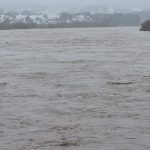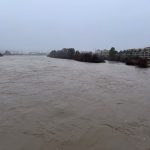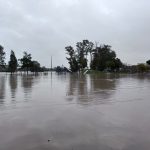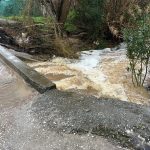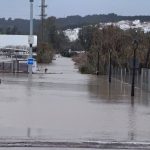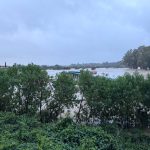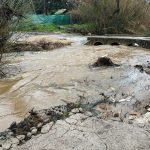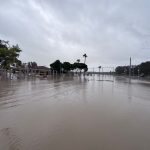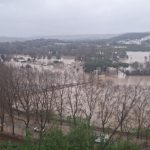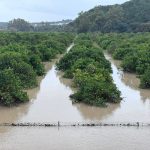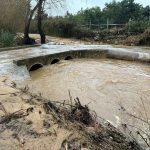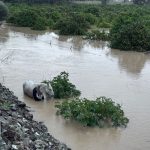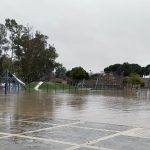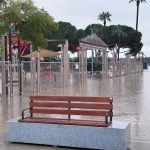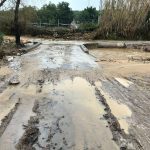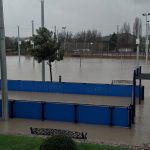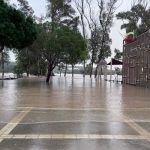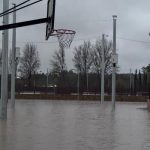


La furia del temporal deja una huella indeleble en la comarca. El desbordamiento simultáneo del Guadiaro y el Hozgarganta ha anegado explotaciones agrícolas en Tesorillo, paralizado la vida cotidiana en Guadiaro y transformado el paisaje de la desembocadura en Sotogrande, dejando un rastro de lodo y daños materiales que tardarán en repararse.
La meteorología, en ocasiones, deja de ser una conversación de cortesía para convertirse en una fuerza que redefine el paisaje y la vida de sus habitantes. Las recientes borrascas que han azotado el Campo de Gibraltar han dejado tras de sí un rastro de destrucción, pero también una lección de humildad frente a la potencia de nuestros cauces fluviales. Recorremos la mirada húmeda y embarrada de Sotogrande, Guadiaro y San Martín del Tesorillo, epicentros de una crecida histórica.
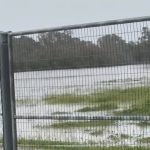
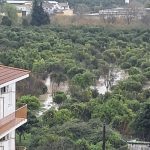
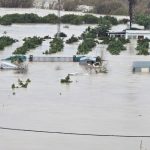
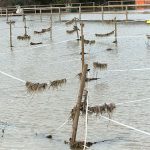
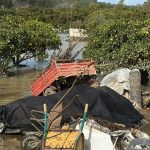
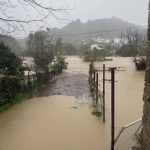
El Río Guadiaro y su afluente, el Hozgarganta, no solo son las arterias vitales de nuestro ecosistema; durante estos días, se convirtieron en muros de agua incontrolables. En Tesorillo, el Hozgarganta, conocido por ser uno de los últimos ríos «salvajes» de Europa, recordó por qué ostenta ese título. El desbordamiento anegó cultivos y calles bajas, dejando imágenes de campos de cítricos convertidos en lagunas improvisadas, donde el esfuerzo de meses de trabajo quedó sumergido bajo el lodo.
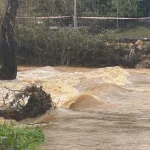
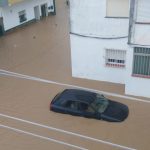
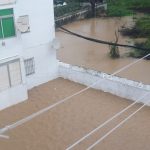
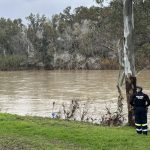
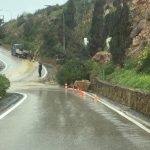
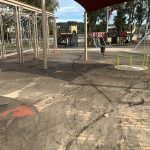
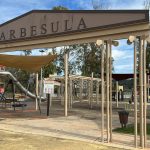
Descendiendo hacia la costa, el panorama en Guadiaro no fue distinto. La fuerza del río a su paso por el puente de hierro marcó niveles que no se recordaban en décadas. La inundación de los márgenes no solo afectó a las infraestructuras, sino que golpeó el corazón de la vida cotidiana: garajes inundados, muros derribados y el característico olor a fango que queda como eco de la tormenta.
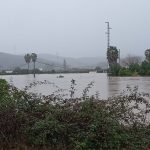
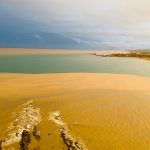
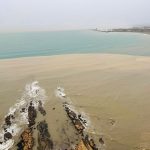
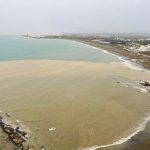
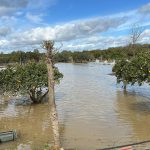
En Sotogrande, la desembocadura se convirtió en un escenario de caos organizado. El choque entre la avenida del río y el temporal de mar impidió que el agua evacuara con fluidez, provocando que el Guadiaro se ensanchara de forma amenazante hacia la zona de la marina y las urbanizaciones aledañas.
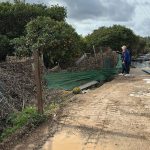
Más allá de los daños materiales, estas fotografías buscan captar la resiliencia de los vecinos. Tras el paso de las borrascas, queda el trabajo de limpieza y la reflexión sobre la gestión de nuestros ríos. El Valle del Guadiaro hoy limpia su rostro, pero las marcas del agua en las paredes y el barro en las aceras tardarán en borrarse de la memoria colectiva.
_____________________
Mud scars: the awakening of the rivers in the Guadiaro Valley
The fury of the storm has left an indelible mark on the region. The simultaneous overflow of the Guadiaro and Hozgarganta rivers has flooded agricultural land in Tesorillo, brought daily life in Guadiaro to a standstill, and transformed the landscape at the river mouth in Sotogrande, leaving behind a trail of mud and material damage that will take time to repair.
Sometimes, weather ceases to be mere small talk and becomes a force that reshapes the landscape and the lives of its inhabitants. The recent storms that have battered the Campo de Gibraltar have left a trail of destruction, but also a lesson in humility before the power of our rivers. We explore the wet and muddy sights of Sotogrande, Guadiaro, and San Martín del Tesorillo, epicentres of a historic flood.
The Guadiaro River and its tributary, the Hozgarganta, are not only vital arteries of our ecosystem; over these days, they became uncontrollable walls of water. In Tesorillo, the Hozgarganta, known as one of the last “wild” rivers in Europe, reminded everyone why it holds that title. Its overflow flooded crops and low lying streets, leaving images of citrus groves transformed into improvised lakes, where months of work lay submerged under mud.
Moving towards the coast, the scene in Guadiaro was no different. The river’s force at the iron bridge reached levels not seen in decades. The flooding of the banks affected not only infrastructure but also struck at the heart of daily life: garages were inundated, walls toppled, and the characteristic smell of mud lingered as a reminder of the storm.
In Sotogrande, the river mouth became a scene of organised chaos. The clash between the river’s flow and the stormy sea prevented the water from draining smoothly, causing the Guadiaro to widen ominously towards the marina and nearby residential areas.
Beyond the material damage, these images seek to capture the resilience of the local residents. After the storms, the work of cleaning up begins, alongside reflection on how our rivers are managed. The Guadiaro Valley is today cleansing its face, but the marks left by the water on walls and the mud on pavements will take much longer to fade from the collective memory.
-

- Screenshot
-
- Screenshot