




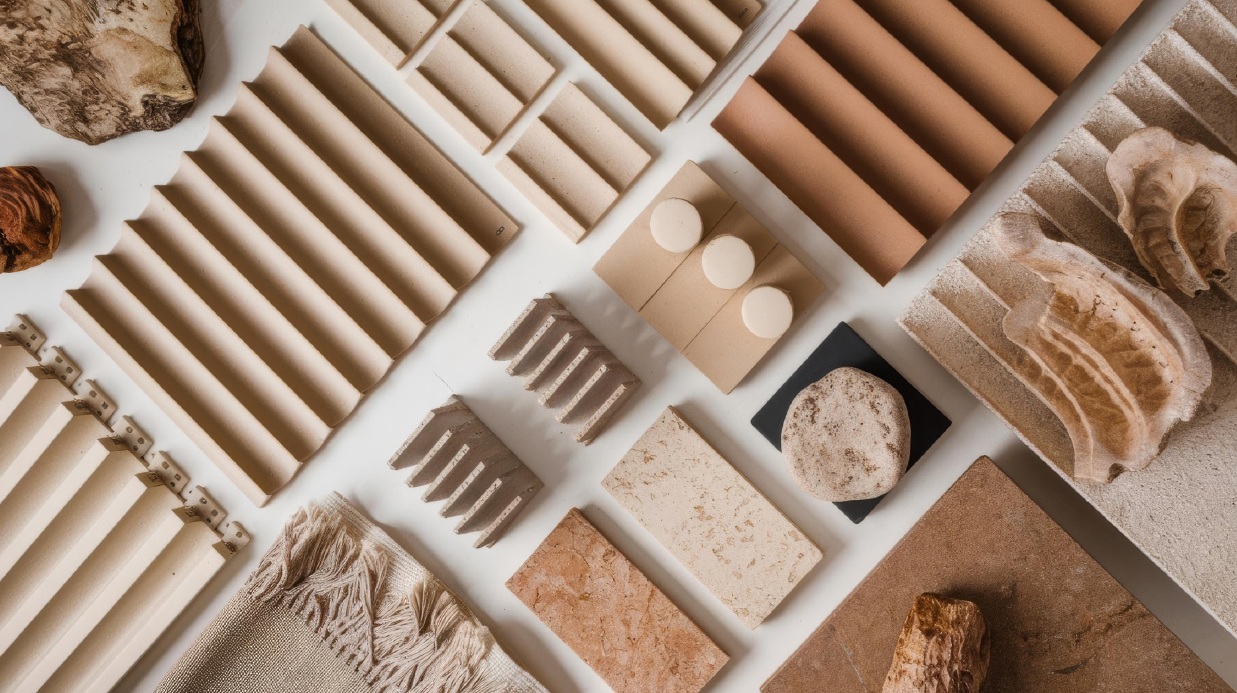
La elección de los materiales es una de esas decisiones que, aunque a menudo pasan desapercibidas, terminan definiendo la arquitectura.
No empieza en la obra, ni siquiera en los planos, sino mucho antes, en el momento en que se define el criterio del proyecto.
En esa fase inicial, cuando las ideas aún están abiertas, es donde realmente se decide cómo va a comportarse la arquitectura. Qué materiales tienen sentido, cuáles no, y por qué. Porque elegir un material no es seleccionar un acabado. Es tomar una decisión técnica que afecta directamente a la durabilidad, al mantenimiento y a la forma en que el edificio va a envejecer.
En el sur, esta reflexión no es opcional. La radiación solar, la humedad ambiental y la proximidad al mar obligan a anticipar el comportamiento real de cada solución. Pero esa exigencia no se limita al exterior. En el interior, los materiales también condicionan el uso cotidiano, el confort y la percepción del espacio.
Un pavimento no es solo una textura o un color. Es resistencia al desgaste, facilidad de limpieza, comportamiento frente a la humedad o compatibilidad con sistemas como el suelo radiante. Lo mismo ocurre con los revestimientos verticales: su elección influye en la acústica, en la iluminación y en la forma en que se perciben las proporciones del espacio.
La madera, por ejemplo, puede aportar calidez y continuidad, pero requiere entender dónde y cómo utilizarla. En el exterior exige protección y mantenimiento; en el interior, una correcta selección de acabados y tratamientos para garantizar su durabilidad. Los materiales continuos, por su parte, permiten una lectura más limpia tanto dentro como fuera, pero exigen precisión en la ejecución y un control riguroso de los encuentros.
El proyecto debe construirse desde el conocimiento. Entender cómo trabaja cada material, cómo se relaciona con los demás y qué implicaciones tiene a largo plazo. En muchas ocasiones, trabajar con menos materiales, pero bien elegidos, no solo mejora la coherencia arquitectónica, sino que también reduce riesgos y facilita el mantenimiento.
La arquitectura que funciona no es la que más impacta el primer día, sino la que mantiene su coherencia con el paso del tiempo. Y esa coherencia se construye tanto fuera como dentro, desde las primeras decisiones.
En OM28 Architects entendemos el proyecto precisamente desde ahí: desde las decisiones que no se ven, pero que lo condicionan todo.
_________________________________
Intentional choice: the dialogue between material and environment
The selection of materials is one of those decisions that, while often overlooked, ultimately defines the very essence of architecture.
It doesn’t begin on the construction site, nor even on the drafting table. It starts much earlier: at the exact moment the project’s criteria are established. In that initial phase, while ideas are still fluid, the true character of the building is decided. We ask ourselves which materials make sense, which do not, and why. Because choosing a material is not merely selecting a «finish»—it is a technical decision that directly impacts durability, maintenance, and the way a building ages.
In the South, this reflection is not optional. Intense solar radiation, ambient humidity, and proximity to the sea demand that we anticipate how every solution will perform in the real world. Yet, this requirement isn’t limited to the exterior. Indoors, materials also dictate daily use, comfort, and our perception of space.
Flooring is more than just texture or color; it represents wear resistance, ease of cleaning, moisture performance, and compatibility with systems like underfloor heating. The same applies to vertical surfaces: their choice influences acoustics, lighting, and how we perceive the proportions of a room.
Wood, for example, can provide warmth and continuity, but it requires an understanding of where and how to use it. Outdoors, it demands protection and upkeep; indoors, a careful selection of finishes and treatments is vital to ensure longevity. Conversely, seamless materials offer a cleaner aesthetic both inside and out, but they require precision in execution and rigorous control over joints and transitions.
A project must be built on a foundation of knowledge. It is essential to understand how each material functions, how it relates to others, and what its long-term implications are. Often, working with a smaller, well-curated palette of materials not only improves architectural coherence but also reduces risk and simplifies maintenance.
Architecture that works is not the kind that makes the biggest splash on day one, but the kind that maintains its integrity over time. That coherence is built from the inside out, starting with the very first decisions. At OM28 Architects, that is exactly how we approach a project: focusing on the invisible decisions that ultimately shape everything.