




Juan Carmona
Es lógica y esperable la inquietud que existe con relación a la falta de noticias acerca de los detalles del acuerdo. Sólo nos dicen que todo va bien y según lo previsto.
Y no se puede exigir en este momento más de lo que se está transmitiendo; tengamos en cuenta que «el acuerdo» es con la Unión Europea, y son veintisiete países los que lo han de aprobar, o dar su visto nuevo.
Ahora se están poniendo «negro sobre blanco» los detalles, y haciendo las correspondientes traducciones, para cuando el Parlamento lo apruebe y lo eleve a Tratado de obligado cumplimiento para todos. Lógicamente esto lleva su tiempo, aunque consta que se trabaja intensamente.
Así me lo han confirmado recientemente tanto el Prime Minister, Fabian Picardo, como el señor Albares, ministro de Asuntos Exteriores. Y no se puede detallar y publicar aquí sin hacerlo a la vez en Dinamarca o el resto de los países de la Unión. Si tenemos un compromiso: se conocerá antes de fin de año, y se eliminará «la verja» y se desmantelará la frontera a principios de 2026. Confiamos en ello.
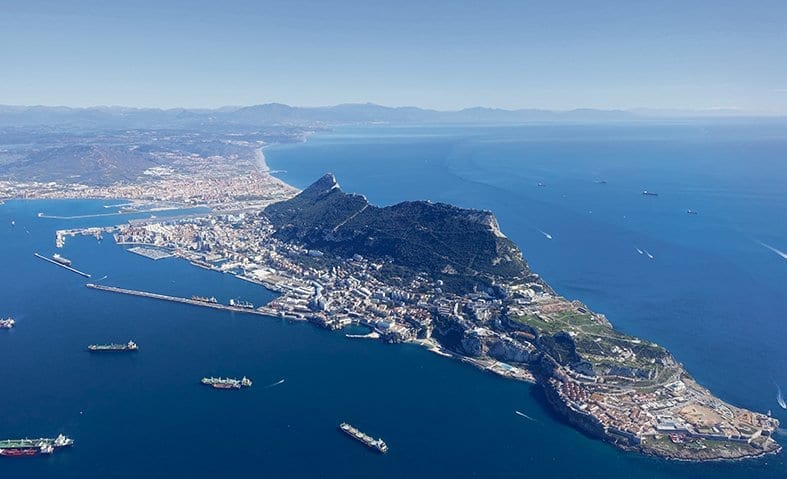
Mientras los ayuntamientos deben prepararse para asumir la nueva situación, especialmente el de La Línea. La vecindad es tan próxima que acabarán siendo un mismo complejo urbano. Y las diferencias en renta «per capita» y PIB son tan enormes que necesariamente habrá que compensar o ayudar a compensar.
Y no se trata solo de infraestructuras, que también, sino de ayudas fiscales para ser competitivos. E inversiones directas, especialmente en temas como la vivienda. Creo que si el tratado es entre el Reino Unido y Bruselas, debe ser la Unión Europea la que arrime el hombro.
Lo digo por tí, Alcalde. No se trata de llorar a la Mancomunidad, la Diputación, o la Junta de Andalucía para arreglar baches y farolas. ES MUCHO dinero, y Bruselas lo tiene, y mecanismos para hacer lo que haya que hacer.
__________________
THE AGREEMENT
It is both logical and expected that there is concern about the lack of news regarding the details of the agreement. All we are told is that everything is going well and according to plan.
At this point, we cannot demand more information than what is being shared; let us remember that “the agreement” is with the European Union, and it must be approved, or at least given the green light, by twenty-seven countries.
The details are now being put in black and white, and the corresponding translations are being prepared, so that once Parliament gives its approval, it can be elevated to the status of a binding Treaty for all parties. Naturally, this process takes time, although it is clear that intense work is underway.
This has recently been confirmed to me both by the Prime Minister, Fabian Picardo, and by Mr Albares, Spain’s Minister for Foreign Affairs. It cannot be detailed or published here without doing so simultaneously in Denmark or any other EU country. What we do know is that it will be announced before the end of the year, and that the fence will be removed and the border dismantled at the beginning of 2026. We trust that this will be the case.
Meanwhile, the local councils must prepare themselves for the new situation, especially that of La Línea. The proximity between the two communities is such that they will eventually form a single urban complex. The differences in per capita income and GDP are so vast that there will inevitably need to be measures of compensation or support.
And it is not just a matter of infrastructure, although that too, but of fiscal incentives to remain competitive, and of direct investment, particularly in areas such as housing. I believe that if the treaty is between the United Kingdom and Brussels, it should be the European Union that steps up.
I say this to you, Mayor. It is not a matter of pleading with the Commonwealth, the Provincial Council, or the Junta de Andalucía to fix potholes and streetlights. This is serious money, and Brussels has it, along with the mechanisms to do what must be done.