





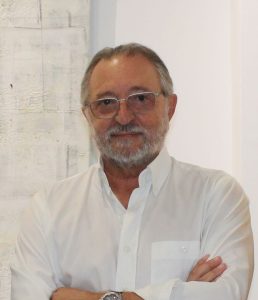
Juan Carmona
Como todos sabemos la energía ni se crea ni se destruye, solo se transforma. Pero lo que no todos saben es que tiene que ser exacta, o casi exacta. O sea, que la entrada en cualquier cosa que para funcionar necesita energía eléctrica, tiene que coincidir con el consumo
Esto se entiende bien con lo más sencillo. Por ejemplo, una bombilla, si es de 60W y le entran 55, no se enciende: pero si le entran 65 se funde.
Pues así es el sistema. El famoso ’mix’, o sea, «el cesto» donde RED ELÉCTRICA ESPAÑOLA (empresa semipública controlada por el Estado, que gestiona el mix y la red de distribución) recibe la energía que las empresas productoras, grandes y pequeñas, van incorporando al mix con criterios de preferencia.
Primero las renovables: la eólica, solar y termo solar, e hidráulica; después las nucleares; y luego las térmicas de gas o carbón. Y como las renovables no son estables porque dependen del viento, el sol, y el agua, no pueden exceder de un porcentaje estimado en, prudentemente, un sesenta por ciento. Si aportan más las demás tienen que apagar o desconectar, porque la red no admite más. Pero tampoco menos, por lo que he explicado antes.
El sistema, es decir, REE, tiene que gestionar ese proceso al segundo. Y eso debe de haber pasado. REE falló, es evidente, y así lo han explicado los técnicos, no los políticos.
Que asuman su responsabilidad, y busquen mecanismos para que eso no pase. Lo increíble es oír al presidente decir que no se sabe, o que suelte teorías conspirativas, o acuse a las nucleares (que estaban paradas).
Pero todo se sabrá, porque Portugal, que fue afectada, ha pedido un informe independiente. No nos podrán engañar. esta vez no.
Y por cierto, nos salvaron, o ayudaron mucho, Marruecos y Francia gracias a los cables de interconexión que tenemos con ambos países. ¡Los mismos cables que nadie quiere!
________________________________
THE BLACKOUT, por Juan Carmona
As we all know, energy can neither be created nor destroyed—it only transforms. But what not everyone knows is that it must be exact, or nearly so. That is, the input of energy into any device that runs on electricity must match its consumption
This is easy to understand with something simple. For example, a lightbulb: if it’s rated at 60W and it only receives 55, it won’t turn on; if it receives 65, it blows up.
That’s exactly how the system works. The famous «mix»—in other words, the «basket» into which RED ELÉCTRICA ESPAÑOLA (a semi-public company controlled by the state, which manages the mix and the distribution network) receives the energy supplied by producing companies, both large and small, according to a priority system.
First come renewables: wind, solar, thermosolar, and hydroelectric; then nuclear; and finally, gas or coal-fired thermal plants. But since renewables are not stable—they depend on wind, sun, and water—they can’t make up more than an estimated, and wisely cautious, sixty percent of the supply. If they produce more, the others must shut down or disconnect, because the grid cannot handle the excess. But neither can it handle a shortfall, for the reasons explained above.
The system—meaning REE—has to manage this process down to the second. And that seems to be what went wrong. REE failed—it’s obvious—and that’s what the engineers have said, not the politicians.
They must take responsibility and find mechanisms to ensure it doesn’t happen again. What’s unbelievable is hearing the Prime Minister say they don’t know what happened, or spout conspiracy theories, or blame the nuclear plants (which were shut down at the time).
But the truth will come out, because Portugal, which was also affected, has requested an independent report. This time, they won’t be able to lie to us.
And by the way, Morocco and France helped us greatly—thanks to the interconnection cables we share with both countries. The very same cables that nobody wants!