




Por González, Sánchez & partners
Cuando llega el momento de vender una vivienda, una de las primeras preguntas que suele surgir es cuánto habrá que pagar a Hacienda por la ganancia obtenida. El cálculo parece sencillo: se compara el valor de adquisición con el valor de transmisión, teniendo en cuenta determinados gastos.
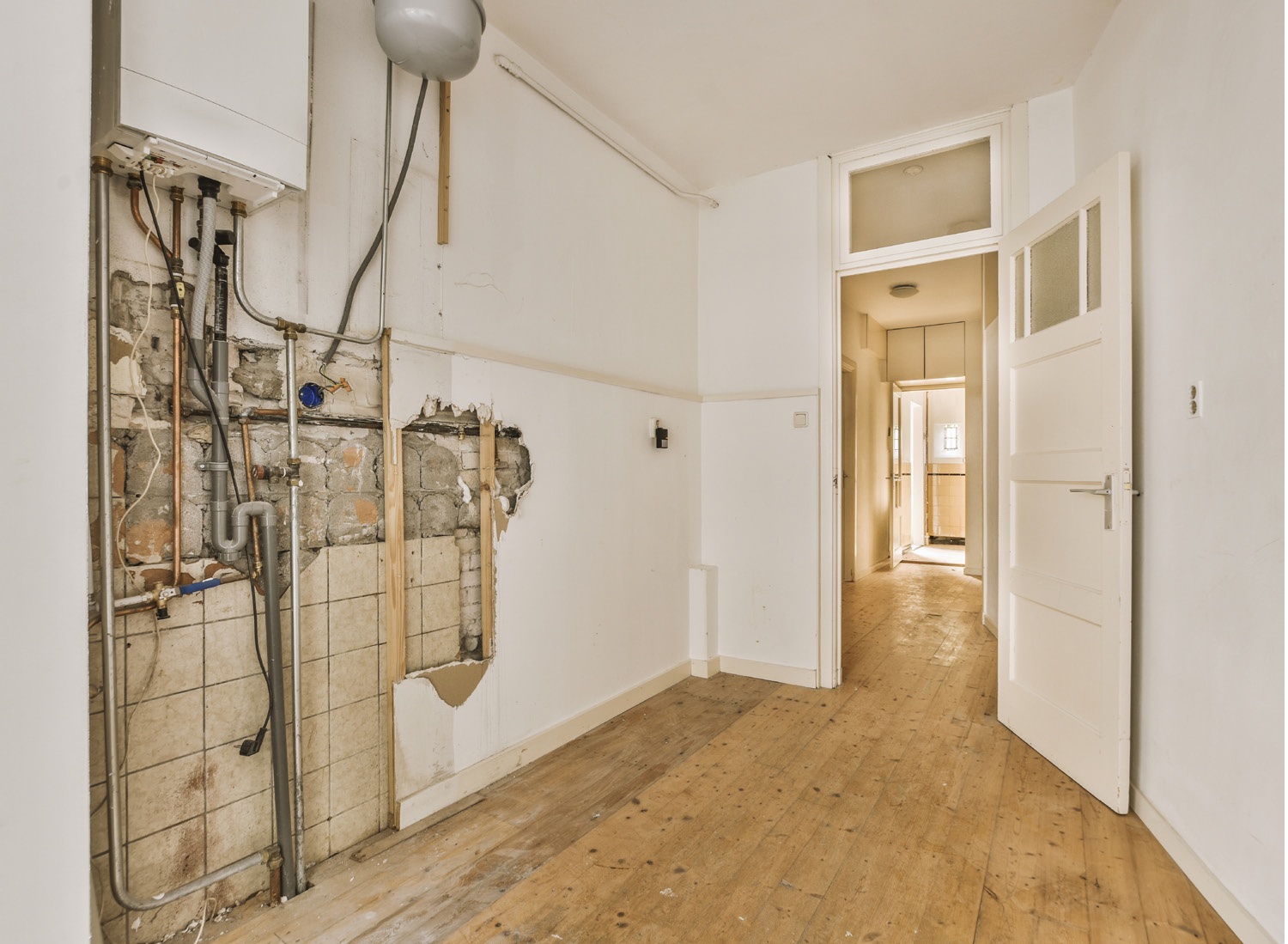
Pero ¿qué ocurre si hemos invertido una cantidad importante en reformar la vivienda?
Pensemos en un caso habitual: compramos una propiedad por 800.000 euros y posteriormente gastamos 200.000 euros en reformarla. Cuando la vendamos, ¿podremos considerar que nos ha costado un millón de euros?
La respuesta es: depende de la naturaleza de las obras realizadas.
Reformar no siempre significa mejorar fiscalmente
La normativa permite incrementar el valor de adquisición con las inversiones y mejoras realizadas en el inmueble. Sin embargo, no ocurre lo mismo con los gastos de reparación y conservación.
De forma simplificada, una mejora debe aumentar la capacidad o habitabilidad del inmueble o prolongar su vida útil. Una ampliación de la vivienda o la construcción de una piscina que antes no existía son ejemplos relativamente claros.
La dificultad aparece con las reformas integrales: renovar cocina y baños, sustituir instalaciones, cambiar ventanas, redistribuir espacios o instalar nuevos sistemas de climatización. A priori Hacienda considera estos proyectos como gastos de reparación y conservación de la vivienda y no los considera un incremento del valor del inmueble. Sin embargo, en ciertos casos no existe una respuesta automática y será necesario analizar la entidad y finalidad de las obras realizadas.
La documentación es fundamental
Por ello, no basta con saber cuánto nos costó la reforma. También debemos poder demostrar qué se hizo realmente. Facturas detalladas, presupuestos, proyectos, licencias, certificados técnicos e incluso fotografías anteriores y posteriores a las obras pueden resultar fundamentales si Hacienda revisa posteriormente el cálculo de la ganancia.
Una factura que simplemente indique “reforma de vivienda” por 200.000 euros ofrece mucha menos información que una documentación que permita conocer exactamente las actuaciones realizadas.
Esto es especialmente relevante en zonas como Sotogrande, donde es frecuente adquirir propiedades que posteriormente son objeto de importantes proyectos de renovación.
La naturaleza de las obras y, sobre todo, la capacidad para acreditarlas serán determinantes. Por ello, ante una reforma de cierta entidad o antes de vender una vivienda en la que se hayan realizado obras importantes, es recomendable acudir a un asesor fiscal que pueda analizar cada actuación y su documentación, determinar qué conceptos pueden incrementar el valor de adquisición y anticipar posibles discrepancias con Hacienda. Cuando hablamos de reformas de decenas o cientos de miles de euros, realizar este análisis con antelación puede suponer una diferencia fiscal considerable.
___________________________________________
I’ve renovated my home: can I deduct the costs when I sell it?
When the time comes to sell a property, one of the first questions that usually arises is how much tax will be owed to the tax authorities on the capital gain. The calculation seems simple: you compare the original purchase price with the sale price, taking certain deductible expenses into account.
But what happens if you have invested a significant sum into renovating the property?
Consider a common scenario: you buy a property for €800,000 and later spend €200,000 renovating it. When you sell, can you claim the original cost base of the home was €1,000,000?
The short answer: it depends on the nature of the work carried out.
Renovating doesn’t always yield tax benefits
Tax regulations allow you to add investments and capital improvements to the original purchase price. However, the same rule does not apply to routine repairs and maintenance.
Simply put, a capital improvement must increase the property’s capacity, improve its livability, or extend its useful life. Adding an extension or building a pool where none existed before are relatively clear examples.
Gray areas arise with full-scale refurbishments: remodeling kitchens and bathrooms, upgrading utility infrastructure, replacing windows, reconfiguring room layouts, or installing new HVAC systems. At first glance, the tax authorities view these projects as routine repair and maintenance expenses, rather than value-adding capital improvements. However, there is no automatic rule in certain cases, making it necessary to evaluate the scale and purpose of the work done.
Paperwork is essential
Because of this, simply knowing how much the renovation cost is not enough—you must be able to prove what was actually done. Detailed invoices, quotes, architectural plans, permits, technical certificates, and even «before and after» photos can prove crucial if the tax authorities audit your capital gains calculation later on.
An invoice that simply states «home renovation» for €200,000 provides far less legal standing than comprehensive documentation outlining the exact scope of the work.
This is particularly relevant in high-end areas like Sotogrande, where buyers frequently acquire properties with the intention of undertaking major renovation projects.
The nature of the work—and, above all, your ability to prove it—will be the deciding factors. For significant refurbishments or prior to selling a heavily renovated home, consulting a tax advisor is highly recommended. They can review the work and documentation, determine which costs qualify to increase your tax basis, and help avoid disputes with the tax authorities. When dealing with renovations worth tens or hundreds of thousands of euros, carrying out this assessment in advance can yield substantial tax savings.