


Por OLIMPIA TARDÁ, gerente del internacional montessori school
Psicóloga infantil, especialista en coaching familiar
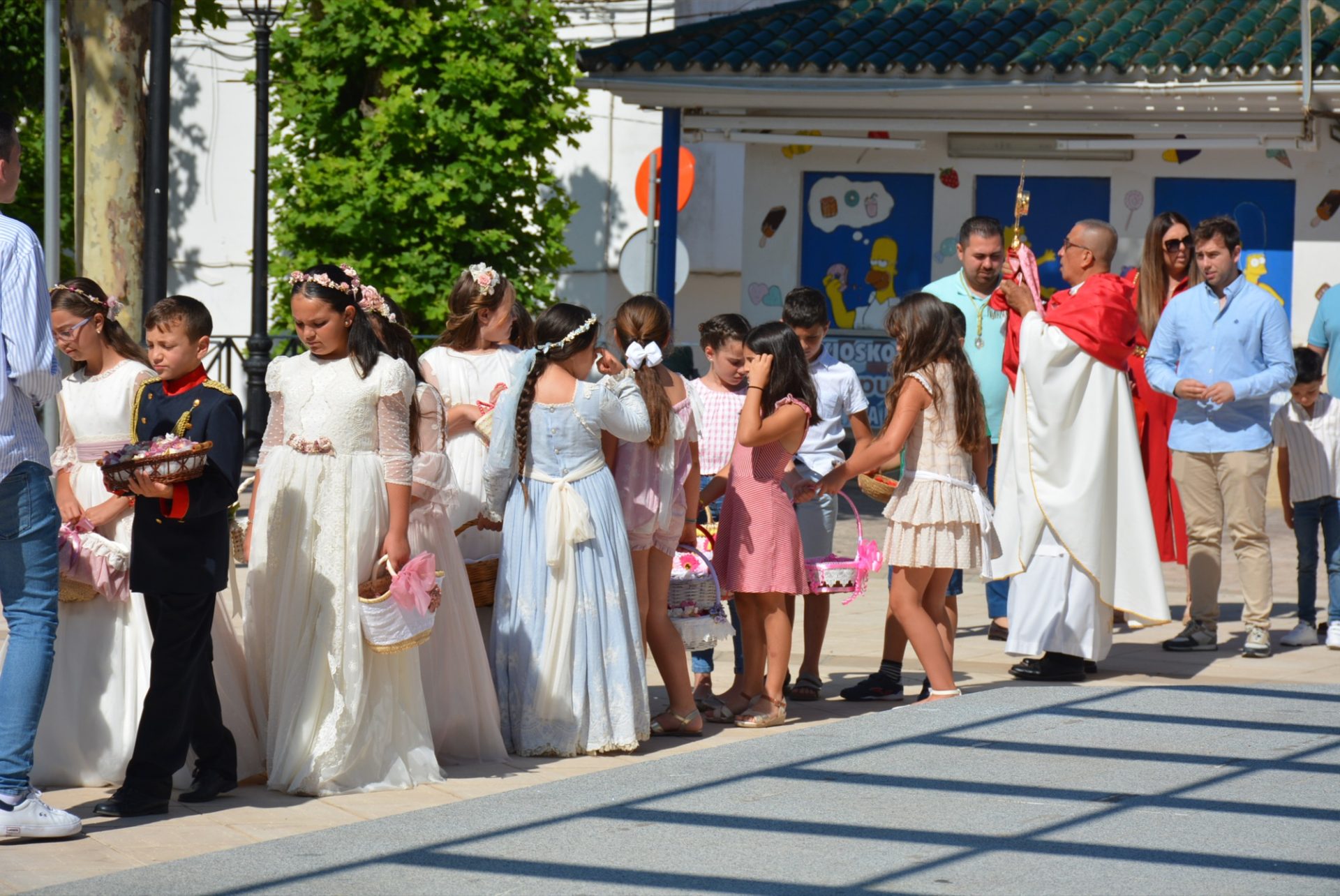
Cuando me senté a escribir el artículo de este mes, caí en la cuenta de que era el día del Corpus Christi en nuestra comarca. Y pensé, qué significa realmente este día? Es una fiesta de la iglesia católica que celebra la presencia de Cristo en la eucaristía y se celebró por primera vez en 1246 en una ciudad belga gracias a una religiosa, Juliana de Cornillon, promotora de la idea de rendir homenaje al cuerpo y sangre de Cristo durante el momento de la misa. Y seguí pensando, qué importante la Educación de la espiritualidad desde la infancia.
Hablar de este tema suele suscitar reacciones escépticas a las familias y profesores, y es que, a menudo , se confunde con dogmas religiosos, sectas… sin embargo, espiritualidad significa lo contrario de todo ello, se define como la vida interior, cómo percibimos el mundo y nuestra posición en él, es conocer nuestra identidad, sentirnos en unión y pertenecer y participar de algo más grande que uno mismo. También significa cultivar un espacio interno de calma.
Hoy día, en que los trastornos por ansiedad , depresión y los índices de suicidios en nuestros jóvenes se han disparado de manera alarmante, como agentes responsables de su educación tendríamos que preguntarnos cómo podemos ayudar a nuestros niños y jóvenes a encontrar ese bienestar personal.
Nuestros hijos y alumnos son seres físicos y necesitan cuidar sus cuerpos para mantenerlos en un estado saludable y óptimo, son seres mentales con hambre de conocimiento y necesidad de aprender a gestionar sus pensamientos de la manera correcta , son seres sociales que tienen que tener oportunidades de interactuar con otros, pero también son seres espirituales que necesitan responderse preguntas sobre su propia esencia y sobre su papel en el mundo. Entrenar la espiritualidad es un ejercicio de pensar, de tomar conciencia sobre quienes somos para no dejarnos arrastrar por modas o hábitos que nos saquen de ese ser esencial.
Os comparto un texto de María Montessori, que perfectamente podría haber sido escrito hoy.
“Hoy, la vida en sociedad es extremadamente compleja, y está plagada de fallas y contradicciones incomprensibles.
El mundo en donde nos encontramos es una maravilla gracias a los descubrimientos de la ciencia, pero mientras disfrutamos de la luz que irradian estos logros exteriores; tenemos el espíritu envuelto en las tinieblas.
El hombre contemporáneo es como un niño perdido en el bosque. Se aterroriza por cosas que en realidad no existen.
El hombre precisa tranquilidad espiritual y paz; necesita luz. ¿Quién tendría algo de luz para darle?
Se ha adueñado de todos los secretos de la Naturaleza y todas sus energías. Pero todavía hay algo que le resta conocer, y eso que desconoce es el hombre mismo.
No acabaríamos nunca si intentásemos enumerar todos los descubrimientos del hombre en el mundo físico. ¿Pero cuánto ha descubierto acerca de sí mismo, de su vida, sus objetivos, o de la verdad y el error?”
Espero que este texto os de luz, esa que necesitas para iluminar a tu hijo o alumno.
________________________________________________
Corpus Christi and Spirituality in Education, by Olimpia Tardá
When I sat down to write this month’s article, I realised that it was the day of Corpus Christi in our county. And I thought, what does this day really mean? It is a feast of the Catholic Church that celebrates the presence of Christ in the Eucharist and was celebrated for the first time in 1246 in a Belgian city. It was promoted by a nun, Julienne de Cornillon, who came up with the idea of paying homage to the body and blood of Christ during mass. I kept on thinking, the importance of spiritual education during childhood.
Talking about this subject often provokes sceptical reactions from families and teachers, because it is often confused with religious dogmas, sects… however, spirituality means the opposite of all this, it is defined as the inner life, how we perceive the world and our position in it, it is knowing our identity, feeling in union, and belonging and participating in something bigger than oneself. It also means cultivating an inner space of calm.
Nowadays, when anxiety disorders, depression and suicide rates in our young people have skyrocketed alarmingly, as managers of their education we should ask ourselves how we can help our children and young people to find their personal wellbeing.
Our children and students are physical beings who need to take care of their bodies to keep them in a healthy and optimal state, they are mental beings who are hungry for knowledge and need to learn to manage their thoughts in the right way, they are social beings who need to have opportunities to interact with others. But they are also spiritual beings who need to be able to answer questions about their own essence and their role in the world. Spiritual training is an exercise in thinking, in becoming aware of who we are so that we do not allow ourselves to be dragged along by fads or habits that take us away from that essential being.
I share with you a text by Maria Montessori, which could very well have been written nowadays.
«Today, life in society is extremely complex, and riddled with incomprehensible flaws and contradictions.
The world in which we find ourselves is a marvellous place thanks to the discoveries of science, but while we enjoy the light that radiates from these external achievements, our spirit is shrouded in darkness.
Contemporary man is like a child lost in the forest. Terrorised by things which are not really there.
Man needs spiritual tranquillity and peace; he needs light. And who would possess such a light as to give it to him?
He has mastered all the secrets of Nature and all its energies. But there is still something that remains to be known to him, and that which he does not know is man himself.
But how much has he discovered about himself, about his life, about his aims, about truth and error?”
I hope this text gives you the light you need to enlighten your child or pupil.