





Juan Carmona de Cózar. Abogado. Ex alcalde
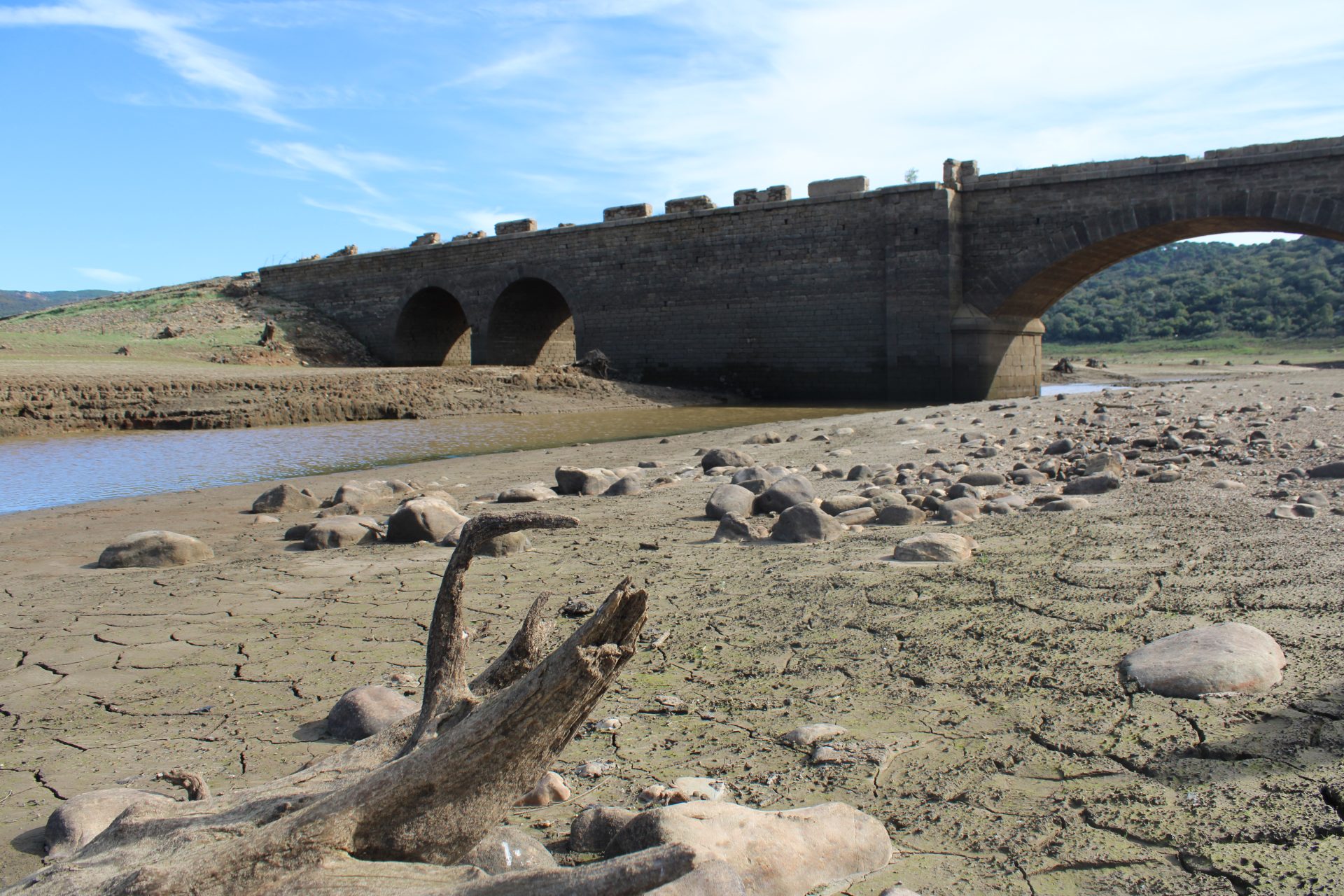
Los que tenemos cierta edad recordamos esa frase, que era parte del discurso oficial del «régimen» cuando se sucedían periodos como el que acabamos de pasar, o quizás estamos todavía, en los que no llueve o llueve muy poco. Recordamos estas temporadas secas desde siempre. Y, al cabo, siempre llueve.
El dictador hizo algunas cosas buenas; y una de ellas fueron los pantanos que él mismo gustaba de inaugurar; «queda inaugurado este pantano» era una frase que oíamos en el NoDo y en televisión. Afortunadamente se hicieron (no había ecologistas) y era con el doble fin de producir energía hidráulica renovable, y regar los campos y suministrar los pueblos y ciudades. Ahí están, y gracias a ellos tenemos una infraestructura de las mejores de Europa.
La sequía o las sucesivas sequías las hemos sufrido siempre. No me atrevo a decir que ahora son más intensas por el cambio climático, pero pienso que es posible; como puede ser que cuando llueve lo hace de forma más intensa e irregular que hace unos años.
Pero el hecho es que, a nivel mundial, el agua, como la energía ni se crea ni se destruye, es siempre la misma desde que existe el mundo. Su ciclo supone evaporación y lluvia, pero claro, no cae en el mismo sitio. O sea, no hay más ni menos agua, pero cambia de sitio y de estado. Los mares acumulan la gran mayoría, pero se sala; y en general en el norte llueve más que en el sur.
Esas son las reglas del ciclo. Pero se pueden aprovechar. Países que todos conocemos eran secos, desiertos, y ahora son grandes productores agrícolas porque optimizan su uso eficiente, y depuran y desalan en su justa medida; o la trasvasan de un sitio a otro. «Nunca llueve al sur de California …» pero es la mayor zona productora de América.
Cierto es que los trasvases son muy caros, pero hay que hacerlos; y que desalar y depurar también es caro. Pero hay que hacerlo. No nos queda otra. Y no tiene porqué ser tan caro dependiendo de para qué se usa. Para beberla, tan pura, debe ser carísimo; pero para regar las calles, refrigerar industrias, o regar determinadas producciones agrícolas, con agua depurada o desalada al treinta, cuarenta, o sesenta por ciento, me pega que no debe ser tan cara.
«El agua es un bien escaso» nos repiten machaconamente. ¡mentira! somos el planeta azul, lo que sobra es agua. Nos «comen el coco» para justificar un precio excesivo para hacer ricas a las grandes empresas que la controlan, y estimular a los dirigentes políticos y vivir todos ricamente de nuestra ignorancia.
Este otoño está lloviendo y las previsiones son optimistas. Y por eso, en el Campo de Gibraltar (donde, por cierto, nunca falta agua), aprovechan y la suben casi un cuarenta por ciento.
________________________________________________________
THE PERSISTENT DROUGHT
Those of us of a certain age remember this phrase, which was part of the official discourse of the ‘regime’ when there were periods like the one, we have just gone through, or perhaps we are still going through, when there is little to no rain. We have always remembered these dry seasons. And, after all, it always rains.
The old dictator did some good things; and one of them were the reservoirs that he himself enjoyed inaugurating; «this reservoir is inaugurated» was a phrase we used to hear in the daily news and on television. Fortunately, they were built (there were no ecologists) and it was for the double purpose of producing renewable hydraulic energy, irrigating the fields, and supplying the towns and cities. There they are, and thanks to them we have one of the best infrastructures in all of Europe.
We have always suffered from drought or successive dry spells. I do not dare to say that they are more intense now because of climate change, but I think it is possible as it may be that when it rains it does so more intensely and irregularly than a few years ago.
However, the fact is that, on a global level, water, like energy, is neither created nor destroyed, it has remained the same for as long as the world has existed. Its cycle involves evaporation and rain, although, of course, it does not fall in the same place. In other words, there is no more or less water, just that it changes place and form. The seas accumulate the vast majority of it, the rainfall becomes salt water; and it generally rains more in the north than in the south.
These are the rules of the cycle. Yet they can be taken advantage of. Some countries we all know were dry, deserts, and now they are great agricultural producers because they optimise water use efficiency, and they purify and desalinate in the right measure; or they transfer it from one place to another. «It never rains in Southern California …» but it is the largest producing region in the United States. It is true that water transfers are very expensive, but they have to be done; and desalination and purification are also expensive. But it has to be done. We have no choice.
Depending on what it is used for, it doesn’t have to be so expensive. For drinking pure water, it must be very expensive; but for watering the streets, refrigerating businesses, or irrigating certain agricultural productions, with water that has been purified or desalinated at thirty, forty or sixty percent, it seems to me that it must not be so expensive.
«Water is a scarce commodity», they keep telling us, «we are a blue planet, water is what we have too much of». They «beat our brains out» to justify the excessive price of water in order to make the big companies that control it rich, to stimulate the political leaders and to allow us all to live happily off our ignorance.
It is raining again this autumn and the forecasts are optimistic. And so, in the Campo de Gibraltar (where, by the way, water is never in short supply), they take advantage of the situation and increase prices by almost forty percent.