


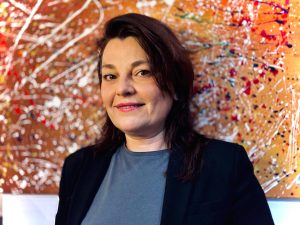
María Platero nos presenta su primera novela en la que a través de distintas escenas nos invita a conocer y reconocer nuestro entorno
 La novela narra la historia de una chica con una vida algo desordenada que recibe un paquete por el que se le convoca a acudir a una finca sita en Medina Sidonia, puesto que quien está a cargo de la misma está a punto de fallecer. Nuestra protagonista se ve entonces en la tesitura de tomar una decisión, ya que ella abandonó en el pasado esa finca junto con su compañero de la juventud y juraron nunca volver, sin embargo éste último está desaparecido y la única forma de descubrir qué le pasó es volviendo a Medina a desenterrar el pasado.
La escritora ya había publicado cuentos en la antología de misterios “El último de tus secretos” de la mano de la editorial madrileña Diversidad Literaria. Tras el éxito, la editorial le propuso formalmente publicar la novela. Comenzó entonces una huida hacia delante. Fue en un viaje de largas esperas a Santiago de Compostela cuando algo hizo “clic” y visualizó de manera muy clara una escena de la Catedral de Cádiz. A partir de ahí comenzó un arduo proceso de documentación, y es que a pesar de que la historia está inspirada en el presente, el lector encontrará algunas referencias históricas a sucesos acontecidos en la zona. De esta manera se fue gestando el relato hasta llegar al resultado final.
La novelista se muestra abrumada y profundamente agradecida con la acogida del libro y nos confiesa haber disfrutado presentándolo en distintas ferias de la comarca. Ha conseguido a través de sus palabras que gente muy distinta conecte con los personajes y con sus historias, y les acompañen en este viaje de introspección.
María tiene, según la crítica, una escritura con mucha personalidad, y es que además de ser filóloga, estudió Comunicación Audiovisual por lo que deja en evidencia la mirada cinematográfica en su narración. Dice de su novela tener una fácil traslación al guion, idea con la que fantasea y que para nada descarta en un futuro.
Presente y futuro se funden para esta profesora y recientemente nombrada miembro de la Asociación Andaluza de Escritores y Críticos Literarios, con más proyectos a la vista. El más inminente es el tercer corto perteneciente a una trilogía de su productora de cine, y ya para el próximo año espera que vea la luz un proyecto escénico en colaboración con la Asociación Musical La Bohemia.
__________________________________
‘Winter of Virgins’ a journey through time and emotions
María Platero introduces us to her first novel in which, through different scenes, we are invited to get to know and recognise our surroundings.
The novel (‘El Invierno de las Vírgenes’ in Spanish) tells the story of a girl with a somewhat disorderly life who receives a package summoning her to go to an estate in Medina Sidonia, because the person who is in charge of it is about to die. Our protagonist is then faced with a decision to make, as she left the estate in the past with her youthful companion and swore never to return, but the latter has disappeared and the only way to find out what happened to them is to return to Medina and unearth the past.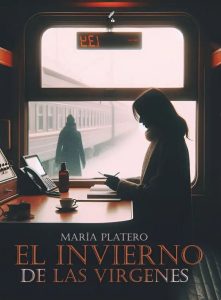
The writer had already published short stories in the anthology of mysteries ‘El último de tus secretos’ (The last one of your secrets) by the Madrid publishing house Diversidad Literaria. After its success, the publisher formally offered to officially publish the novel. She then embarked on a headlong journey. She went on a trip to Santiago de Compostela when her mind ‘clicked’ and she visualised a scene in the Cathedral of Cádiz with great clarity. From there began an arduous process of documentation, and although the story is inspired by the present, the reader will find some historical references to events that took place in the area. Thus, the story was developed until the final result was reached.
The novelist is overwhelmed and deeply grateful for the reception of the book and confesses to having enjoyed presenting it at various fairs in the region. She has managed, through her own words, to get very different people to connect with the characters and their stories, and to accompany them on this journey of introspection.
María has, according to the critics, a writing style with a strong personality, because in addition to being a philologist, she also studied Audiovisual Communication, which is why her narration has a cinematographic perspective. She claims that her novel can be easily translated into a screenplay, an idea she fantasises about and which is something she does not discard at all happening in the future.
Present and future merge together for her, a teacher and recently appointed member of the Andalusian Association of Writers and Literary Critics, who has more projects in the works. The most imminent is the third short film belonging to a trilogy from her film production company, and next year she hopes that a stage production project in partnership with the Asociación Musical La Bohemia will see the light of day.