





Por OLIMPIA TARDÁ, gerente del International Montessori School
psicóloga infantil, especialista en coaching familiar
Seguramente habréis leído muchísimas veces aquello de “en el método Montessori se sigue al niño”, interpretándose que el niño hace lo que quiere en casa o en el colegio donde se prima este tipo de educación. Sin embargo, no hay nada más incierto.
Si bien es una de las frases más conocidas de dicha forma de educar, también es una de las peor interpretadas.
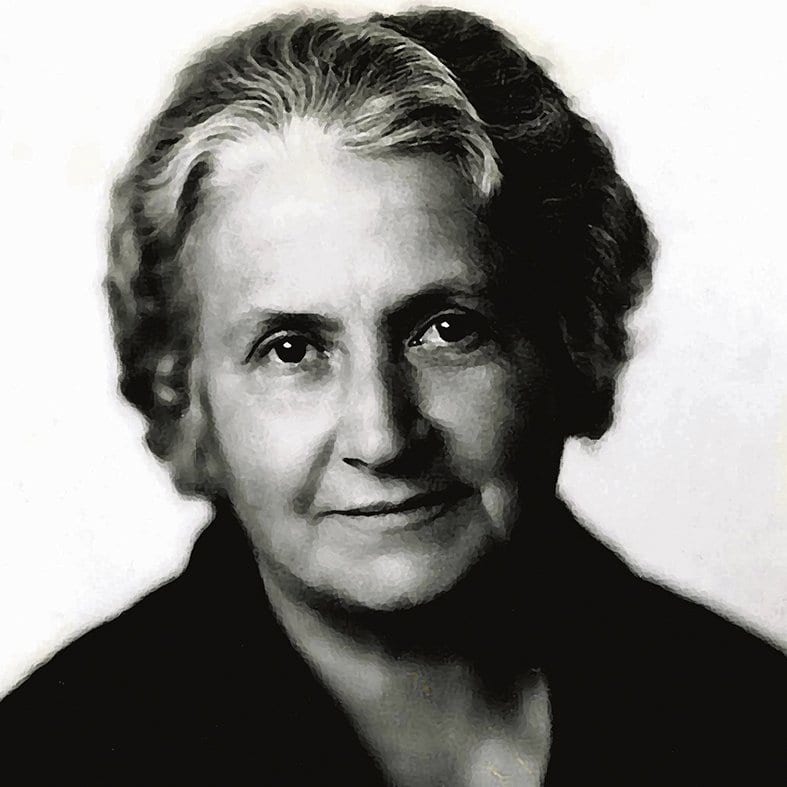
Para su fundadora, la Dra. María Montessori, “Seguir al niño” nunca significó “dejar que haga lo que quiera”, significaba comprender por qué etapa de su desarrollo está pasando, los periodos sensibles por los que el niño está transitando así como observar sus motivaciones individuales y sus propios intereses. Cuando escribió sobre la libertad en la educación, se refería a la libertad que sirve al desarrollo propio del niño. A no sobreprotegerles haciendo cosas por ellos que puedan hacer por sí mismos.
En muchos hogares y en muchos centros educativos que usan el Montessori en su publicidad a modo de llamada o por seguir una pedagogía que hoy día parece “estar de moda” esa distinción a menudo se pierde y se está equiparando con la ausencia de límites, de coherencia, de guía adulta. Sin embargo, La Dra. Montessori fue clara:
“Dejar que el niño haga lo que quiera cuando aún no ha desarrollado ningún poder de control es traicionar la idea de libertad”.
Su visión de la libertad requería algo imprescindible: la preparación profunda del adulto y del ambiente que rodea al niño. Desde edades tempranas, se trabaja en el aula con el objetivo de promover la independencia y con ello la libertad, pero es una conquista, un proceso que requiere aprender responsabilidad, primero con uno mismo, luego con otros seres vivos ( plantas u animales ), más tarde con otras personas, y por último, también con el planeta.
Los niños y los adolescentes necesitan orientación ,una estructura que les ayude a organizar su voluntad para descubrir cómo es el mundo y a ellos mismos.
Así que no, Montessori no está “dirigido por los niños”, está dirigido por el propio desarrollo y guiado por los adultos.
Cuando se reduce Montessori a un aula con juguetes de madera, estanterías bajitas, y a frases como “seguimos al niño» sacadas de contexto, se está reduciendo un método plenamente estudiado y que lleva años funcionando en miles de colegios de todo el mundo con resultados maravillosos a un simple decorado falto de rigor y propósito.
“Seguir al niño” significa: Observa primero, conócele, en qué momento del desarrollo está y qué necesita, prepara el entorno con un objetivo, intervén sólo cuando sea necesario, deja espacio para la independencia, pero con orden. Porque la libertad sin límites no es libertad , es caos . Ese equilibrio es lo que hace que Montessori sea tan mágico y tan actual, porque en estos tiempos de incertidumbre lo que verdaderamente marca la diferencia es lo que enseñamos en los colegios Montessori a los niños : A liderarse a sí mismos para alcanzar una vida plena.
____________________________
Montessori: Freedom with Boundaries and Purpose
You have probably read many times that “in the Montessori method, we follow the child,” often interpreted to mean that the child can do whatever they want at home or at school that follows this type of education. However, nothing could be further from the truth.
While it is one of the most well-known phrases associated with Montessori education, it is also one of the most misunderstood.
For its founder, Dr Maria Montessori, “following the child” never meant “letting them do whatever they want.” It meant understanding the stage of development the child is in, recognising the sensitive periods they are going through, and observing their individual motivations and interests. When she wrote about freedom in education, she referred to freedom that serves the child’s own development, not overprotecting them by doing things for them that they can do themselves.
In many households and educational centres that use Montessori in their marketing, or simply to follow a trend, this distinction is often lost, and it is equated with a lack of limits, consistency, or adult guidance. However, Dr Montessori was clear:
“Allowing the child to do whatever they want before they have developed any control is a betrayal of the idea of freedom.”
Her vision of freedom required something essential: the careful preparation of both the adult and the environment surrounding the child. From an early age, classrooms work to promote independence, and thus freedom, but this is a process and a conquest. It requires learning responsibility, first for oneself, then for other living beings such as plants or animals, then for other people, and finally, also for the planet.
Children and adolescents need guidance, a structure that helps them organise their will so they can discover the world and themselves.
So no, Montessori is not “child-led”; it is guided by the child’s development and steered by adults.
Reducing Montessori to a classroom with wooden toys, low shelves, and phrases like “we follow the child” taken out of context strips away a method that has been carefully studied and successfully implemented in thousands of schools worldwide for years. Its proven results are replaced by a mere decoration lacking rigor and purpose.
“Following the child” means: first observe, get to know them, understand their developmental stage and needs, prepare the environment with intention, intervene only when necessary, and leave space for independence, but with order. Because freedom without limits is not freedom, it is chaos.
This balance is what makes Montessori so magical and so relevant today. In times of uncertainty, what truly makes a difference is what Montessori schools teach children: how to lead themselves towards a fulfilling life.