




Analizamos el impacto del golf en la economía local, su papel en la llegada de nuevos perfiles de turistas y residentes internacionales, además del futuro de esta industria fundamental para Sotogrande
Salvador Puerto
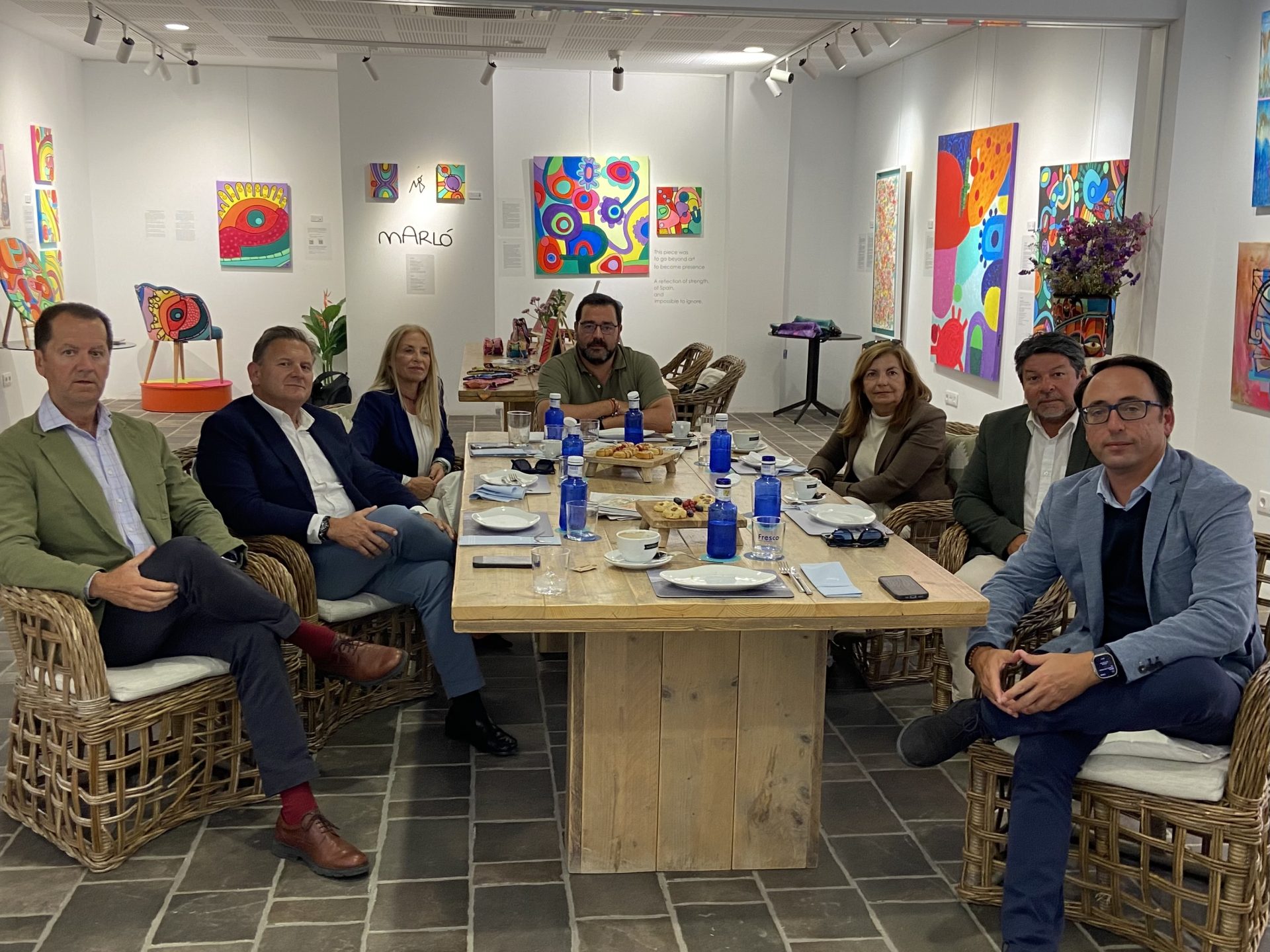
Sotogrande sigue reforzando su posición como uno de los grandes epicentros del golf europeo y mundial. Así se puso de manifiesto en el coloquio organizado por SGplus, que reunió a representantes de destacados clubes de la zona como: Ana Vega y Marcelo Cabrera, de La Cañada Club de Golf; Óscar Checa, de La Reserva Club; Fernando Padrón, de La Hacienda Links Golf Resort; y Javier Reviriego, del Real Club Valderrama.
El encuentro permitió analizar el papel del golf como motor económico y social de Sotogrande, confirmando que el sector atraviesa un momento de expansión sólida. La combinación de nuevos proyectos hoteleros, el incremento de la demanda y mejora de infraestructuras está consolidando un ciclo de crecimiento que los propios protagonistas describen como “histórico”.
Óscar Checa subrayó que, desde La Reserva Club se percibe con claridad ese crecimiento. “La temporada prácticamente empezó a coger velocidad en septiembre y desde entonces no ha parado de crecer. Ya no hablamos de picos puntuales, sino de una tendencia muy sostenida que viene acompañada de nuevas aperturas hoteleras y de un posicionamiento mucho más sólido del destino”, explicó.
En la misma línea se expresó Fernando Padrón, que desde La Hacienda Links confirmó el impulso que también han recibido con la apertura del hotel Fairmont. “Creo que todos estamos viviendo un momento muy bueno, en una situación de máxima ocupación. Los campos están llenos y ahora mismo es incluso difícil encontrar un tee time. El objetivo es seguir así y seguir mejorando la experiencia del jugador”, apuntó.
Otro de los análisis más destacados durante el coloquio fue el cambio en el perfil del visitante. Javier Reviriego, desde el Real Club Valderrama, ofreció una visión especialmente detallada de esta evolución. “Ha habido un cambio clarísimo en los últimos años. Antes el flujo de clientes era muy específico, básicamente el británico, que en gran medida venía desde la Costa del Sol, se alojaba allí y venía a jugar. Pero creo que Sotogrande se ha consolidado como un destino de golf superpremium, único. Ahora hay oferta hotelera, que antes no había, y eso ayuda claramente a un cambio en el perfil del cliente”.
“Ahora está viniendo un perfil de cliente americano que gasta mucho. No es que no mire el precio, pero nuestra experiencia es que el precio es absolutamente elástico. El cliente responde incluso ante subidas de tarifas, siempre que el producto esté a la altura, porque busca calidad extrema, servicio impecable y una experiencia única. Y eso nos obliga a ser mejores cada año”, añadió Reviriego ante el asentimiento de Óscar y Fernando.
Hablando de Valderrama, uno de los momentos más relevantes del coloquio llegó al abordar el papel de LIV Golf Andalucía y el futuro del circuito en el club, que nos explicó Javier Reviriego.
“Lo único seguro por el momento es que este año el torneo se juega”, comenzó Javier. “Nuestra relación con LIV Golf ha sido hasta ahora muy positiva. Llegamos a un acuerdo muy bueno para nosotros que nos ha permitido traer a jugadores como Bryson DeChambeau o Dustin Johnson que, en condiciones normales, sería muy difícil ver aquí”, señaló el director de Valderrama.
“Son jugadores que sólo ves en majors o circuitos muy concretos. Tenerlos en Sotogrande ha sido un salto cualitativo enorme para el destino en general”, añadió Óscar, reafirmando junto al resto de invitados el papel de Valderrama como máximo representante internacional de la industria local del golf.
Sobre el futuro, Javier confirmaba que “LIV está en un proceso de redefinición importante. Tienen que ajustar su modelo para que ofrezca un retorno económico claro y poder atraer inversores, que vean valor, crecimiento y retorno. Están trabajando muy duro para conseguirlo y nosotros estamos atentos a esa evolución. Si el año que viene vuelven, fantástico. Pero si no continúan, ya estamos pensando en otras opciones desde hace meses. Siempre trabajamos con planes a diez años vista., con lo que ya estamos estudiando alternativas, formatos y posibles nuevos acuerdos. No hay incertidumbre, hay planificación”.
Y es que además del impacto estructural del golf en la zona, el propio Reviriego y otros invitados como Fernando u Óscar incidieron en la importancia de que Sotogrande siga siendo sede de torneos internacionales, a pesar de la dificultad que supone conseguirlos. “Muchas veces no se valora lo suficiente el impacto real de estos eventos. No hablamos solo de visibilidad o de marca. Hablamos de cientos de personas trabajando durante semanas, de hoteles llenos, de restauración, de transporte, de proveedores locales. El impacto económico directo es enorme, pero también lo es el indirecto.”.
Por su parte, en el caso de La Cañada Club de Golf, Ana Vega defendió el papel del club como elemento clave en la difusión local del golf. “Aquí hace muchos años que se rompió la idea de que el golf es un deporte elitista. En La Cañada juega cualquier persona, de cualquier perfil. Tenemos una escuela muy potente, con niños que crecen con el golf como parte de su vida. Y eso es lo que garantiza el futuro del deporte en la zona”, afirmó, con el asentimiento del resto de invitados.
“La Cañada es un ejemplo, un caso de éxito brutal, único en el mundo. Y tenemos que presumir de ello”, añadió Javier, elogiando el papel del campo municipal y su club en la difusión del golf en el público en general en la zona.
Una labor que, tal y como confirmaban los tres directores presentes en el coloquio, Javier, Óscar y Fernando, también ha supuesto una generación de empleo constante para la industria del golf. “Sería interesante medir cuántos profesionales ha creado La Cañada en todos estos años”, apuntó Óscar, “porque ya hay gente que ha salido de La Cañada no sólo para nuestros campos, sino para clubes de toda España e incluso al extranjero”.
Marcelo Cabrera añadió que, por su parte, siguen trabajando en la mejora de instalaciones: “somos conscientes de que tenemos margen de mejora, especialmente en servicios e instalaciones, pero también hemos dado un paso importante en los últimos años y esperamos conseguir objetivos clave como nuestro centro de tecnificación”.
“La industria del golf tiene un aquí peso muy relevante, pero ahora que las cosas van bien, hay amenazas que tenemos que pensar en ellas”, apuntó Javier. “Cuando voy a buscar perfiles cualificados me preocupa no encontrarlos a nivel local. Puedo tener operarios, greenkeepers o caddie masters, porque hay muchísima gente cualificada para ello, pero en una zona en la que el golf está tan consolidado me gustaría encontrar perfiles que precisan de más formación”.
“Ésa es una de las motivaciones que tuvimos para crear la Fundación de Valderrama, que acaba de nacer. Que gente del Valle del Guadiaro, que nos aporta la mayoría de nuestro equipo de Valderrama, pueda formarse mejor y acaben siendo directores, no sólo para trabajar aquí, sino en todo el mundo”, explicó Reviriego. “Es algo en lo que debemos trabajar todos, es necesario invertir en formación. Nosotros estamos en contacto con una universidad para crear un máster de golf y vamos a dar becas para que gente de la zona se forme. Es un objetivo que va a llevar tiempo, pero creo que es algo fundamental de cara al futuro”.
El coloquio cerró con una idea compartida por todos los participantes: Sotogrande no puede entenderse como una suma de clubes, sino como un ecosistema interconectado donde el golf impulsa la economía, el turismo, la vivienda y la vida social durante todo el año. “Todo está conectado”, resumió Óscar Checa. “El golf, el desarrollo inmobiliario, la hostelería… todo crece a la vez. Y eso es lo que convierte a Sotogrande en un destino único”.
Una visión compartida por todos los presentes en un encuentro que confirmó que el golf no solo sigue siendo el corazón de Sotogrande, sino también su principal palanca de futuro.
_____________________________
Golf as a driving force behind Sotogrande’s growth and consolidation
We analyse the impact of golf on the local economy, its role in attracting new profiles of international tourists and residents, as well as the future of this key industry for Sotogrande.
Sotogrande continues to strengthen its position as one of the great epicentres of European and global golf. This became evident during the round table organised by SGplus, which brought together representatives from some of the area’s leading clubs: Ana Vega and Marcelo Cabrera from La Cañada Club de Golf; Óscar Checa from La Reserva Club; Fernando Padrón from La Hacienda Links Golf Resort; and Javier Reviriego from Real Club Valderrama.
The discussion offered an in depth look at the role of golf as both an economic and social engine for Sotogrande, confirming that the sector is experiencing a period of strong expansion. The combination of new hotel developments, increasing demand and improved infrastructure is consolidating a cycle of growth that the participants themselves described as “historic.”
Óscar Checa highlighted that La Reserva Club has clearly felt this momentum. “The season really started gaining pace in September and since then it has not stopped growing. We are no longer talking about occasional peaks, but about a very sustained trend accompanied by new hotel openings and a much stronger positioning of the destination,” he explained.
Fernando Padrón echoed this view, confirming the boost La Hacienda Links has also experienced following the opening of the Fairmont hotel. “I think we are all living through a very positive moment, with occupancy at maximum levels. The courses are full and right now it is even difficult to find a tee time. The goal is to continue like this and keep improving the player experience,” he noted.
Another of the key themes discussed during the round table was the changing profile of visitors. Javier Reviriego, from Real Club Valderrama, offered a particularly detailed perspective on this evolution. “There has been a very clear change in recent years. Previously, the client flow was very specific, mainly British visitors who largely stayed on the Costa del Sol and came here to play. But I believe Sotogrande has now established itself as a unique super premium golf destination. There is now hotel infrastructure that did not exist before, and that clearly helps attract a different kind of client.”
“We are now seeing an American client profile that spends significantly. It is not that they ignore prices, but in our experience pricing is extremely elastic. Clients still respond positively even with higher rates, provided the product meets expectations, because what they seek is extreme quality, impeccable service and a unique experience. And that forces us to improve every year,” added Reviriego, with Óscar and Fernando nodding in agreement.
Speaking of Valderrama, one of the most significant moments of the discussion came when addressing the role of LIV Golf Andalucía and the future of the circuit at the club, explained by Javier Reviriego.
“The only thing confirmed at the moment is that the tournament will take place this year,” Javier began. “Our relationship with LIV Golf has so far been very positive. We reached an agreement that has been highly beneficial for us and has allowed us to bring players such as Bryson DeChambeau and Dustin Johnson, who under normal circumstances would be very difficult to see here,” explained the Valderrama director.
“These are players you normally only see at majors or on very exclusive circuits. Having them in Sotogrande has represented an enormous qualitative leap for the destination as a whole,” added Óscar, reaffirming together with the rest of the participants the role of Valderrama as the leading international representative of the local golf industry.
Regarding the future, Javier confirmed that “LIV is currently undergoing an important process of redefinition. They need to adjust their model so that it delivers a clear economic return and can attract investors who see value, growth and profitability. They are working very hard to achieve that and we are closely following that evolution. If they return next year, fantastic. But if they do not continue, we have already been considering other options for months. We always work with ten year plans in mind, so we are already studying alternatives, formats and potential new agreements. There is no uncertainty, there is planning.”
Beyond the structural impact of golf on the area, both Reviriego and other participants such as Fernando and Óscar emphasised the importance of Sotogrande continuing to host international tournaments despite the challenge of securing them. “People often do not fully appreciate the real impact of these events. We are not only talking about visibility or branding. We are talking about hundreds of people working for weeks, hotels fully booked, restaurants, transport and local suppliers. The direct economic impact is enormous, but so is the indirect one.”
From the perspective of La Cañada Club de Golf, Ana Vega defended the club’s role as a key element in the local promotion of golf. “Many years ago we broke the idea that golf is an elitist sport. At La Cañada anyone can play, regardless of their background. We have a very strong academy, with children growing up with golf as part of their lives. And that is what guarantees the future of the sport in this area,” she stated, with the rest of the panel agreeing.
“La Cañada is an example, a huge success story unlike any other in the world. And we should be proud of it,” added Javier, praising the role of the municipal course and its club in making golf accessible to the wider public in the region.
This work has also generated steady employment within the golf industry, as confirmed by Javier, Óscar and Fernando. “It would be interesting to measure how many professionals La Cañada has produced over the years,” Óscar pointed out, “because people who started there are now working not only on our courses, but in clubs across Spain and even abroad.”
Marcelo Cabrera added that they continue working to improve facilities. “We are aware that there is room for improvement, especially regarding services and infrastructure, but we have also made significant progress in recent years and hope to achieve key goals such as our high performance training centre.”
“The golf industry carries enormous weight here, but now that things are going well there are also challenges we need to think about,” Javier noted. “When I look for highly qualified profiles, I worry about not finding them locally. I can find operators, greenkeepers or caddie masters because there are many highly skilled people for those roles, but in an area where golf is so established I would also like to find profiles requiring more advanced training.”
“That was one of the motivations behind creating the Valderrama Foundation, which has just been launched. We want people from the Guadiaro Valley, where most of our Valderrama team comes from, to receive better training and eventually become directors, not only here but anywhere in the world,” explained Reviriego. “It is something we all need to work on. Investment in education is essential. We are already in contact with a university to create a golf master’s programme and we will offer scholarships so local people can train. It is a long term objective, but I believe it is fundamental for the future.”
The discussion closed with an idea shared by all participants: Sotogrande cannot be understood as simply a collection of clubs, but rather as an interconnected ecosystem where golf drives the economy, tourism, real estate and social life throughout the year. “Everything is connected,” summarised Óscar Checa. “Golf, property development, hospitality… everything grows together. And that is what makes Sotogrande a unique destination.”
A vision shared by everyone present at a discussion that confirmed golf remains not only the heart of Sotogrande, but also its greatest engine for the future.