





Por OLIMPIA TARDÁ, gerente del International Montessori School
psicóloga infantil, especialista en coaching familiar
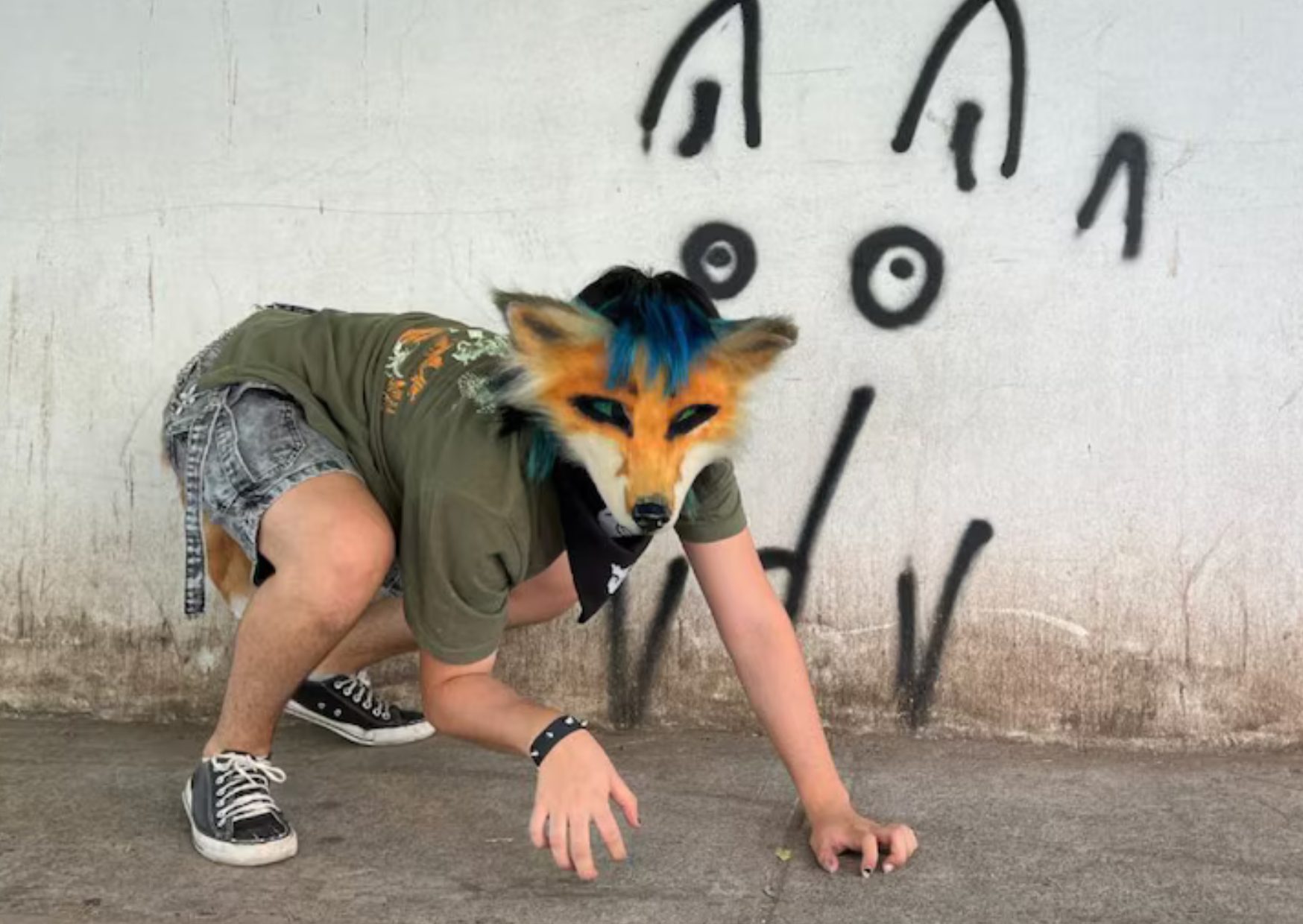
En mi época de juventud lo más común era que se nos identificara como hippies, pijos, rockeros o punkis. Hoy día, lo de las tribus urbanas es de otro nivel. De todos es sabido que la adolescencia es una época en la que el grupo de iguales toma un rol fundamental, encontrar aceptación y encajar con los amigos es fundamental para que los jóvenes vayan desarrollando su propia identidad. Con los años, se han ido sumando a estas tribus los góticos, los raperos, los hípsters, los grunge, los otakus …pero hace unos meses, las redes y medios de comunicación han hecho saltar las alarmas con la llegada a España del fenómeno de los Therian. Son personas que se identifican, a un nivel psicológico o espiritual, con un animal no humano. No creen ser físicamente el animal, sino que sienten que su esencia interna, está ligada a una especie animal específica. Muchos adolescentes comparten vídeos utilizando máscaras de animales y practicando desplazamiento en cuatro apoyos. Para muchos, no se trata de un disfraz ni de un juego. Hablan de una conexión espiritual que forma parte de su manera de estar en el mundo, pero insisten en que su experiencia no implica renunciar a su humanidad.
Y yo me pregunto, ¿Esto es realmente una moda pasajera, una búsqueda de identidad o esconde detrás un trastorno mental?
En términos generales, las tribus urbanas son movimientos culturales juveniles que giran alrededor de puntos en común en cuanto a aficiones, gustos musicales, estilos de vida y referentes estéticos. Sin embargo, junto a los therians que son reconocidos como una subcultura, se ha acentuado el concepto de “teriantropía clínica”, un fenómeno psiquiátrico donde existe una creencia delirante de transformarse en un animal y lleva a la persona a actuar o sentir como si hubiera adquirido rasgos de ese animal. Por tanto, un problema de trastorno mental se presenta cuando existen las siguientes evidencias:
Creencia delirante de transformación
Experiencias corporales anómalas y sensaciones subjetivas de crecimiento de pelo, cambios en mandíbula/dientes, extremidades, olfato, etc.
Conductas congruentes con el animal (aullar, gruñir, …)
Si una persona se identifica como therian, mantiene conciencia de que es humana, no presenta delirios y su vida personal, académica o laboral no está deteriorada, no hay base diagnóstica para considerarlo un trastorno mental.
Si la persona cree literalmente que su cuerpo se está transformando en un animal y presenta deterioro funcional u otros síntomas psicóticos, se trata de un fenómeno psicopatológico que debe evaluarse clínicamente.
Es importante crear espacios de comunicación seguros para que los jóvenes puedan hablar sin miedo al rechazo o castigo, reconocer sus sentimientos, establecer reglas claras sobre horarios, espacios comunes y comportamiento, hablar abiertamente sobre los beneficios de internet y sus riesgos, y pedir ayuda profesional si es necesario.
Explicar lo que es apropiado en público: tu hijo puede explorar su identidad en casa, pero es importante que entienda que ciertos comportamientos (como aullar en clase o morder) no son socialmente aceptables en la escuela o en público.
__________________________
Therian phenomenon: a new urban tribe or cause for concern?
In my younger days, the most common labels were hippies, posh kids, rockers or punks. Nowadays, urban tribes seem to exist on an entirely different level. It is widely understood that adolescence is a stage in life when peer groups play a fundamental role, finding acceptance and fitting in with friends becomes essential for young people as they begin to shape their own identity. Over the years, new subcultures have emerged: goths, rappers, hipsters, grunge fans, otakus… but in recent months, social media and the press have sounded the alarm over the arrival in Spain of the Therian phenomenon. Therians are people who identify, on a psychological or spiritual level, with a non-human animal. They do not believe they are physically that animal, but rather feel that their inner essence is connected to a specific species. Many teenagers share videos wearing animal masks and practising movement on all fours. For many of them, it is neither a costume nor a game. They describe it as a spiritual connection that forms part of the way they experience the world, while insisting that it does not mean renouncing their humanity.
And I wonder: is this really just a passing trend, a search for identity, or could it conceal an underlying mental health issue?
In general terms, urban tribes are youth cultural movements built around shared interests, musical tastes, lifestyles and aesthetic references. However, alongside therians, who are recognised as a subculture, there has also been growing discussion around the concept of “clinical therianthropy”, a psychiatric phenomenon involving the delusional belief of transforming into an animal, leading the individual to behave or feel as though they have acquired animal traits.
A mental health disorder may therefore be considered when the following signs are present:
Delusional belief of transformation
Abnormal bodily sensations, such as feeling fur growing, changes in the jaw or teeth, limbs or sense of smell
Behaviour consistent with the perceived animal identity, such as howling, growling or biting
If a person identifies as a therian while remaining fully aware that they are human, without experiencing delusions or impairment in their personal, academic or professional life, there is no diagnostic basis to classify it as a mental disorder.
However, if someone genuinely believes their body is transforming into an animal and shows functional deterioration or other psychotic symptoms, then it becomes a psychopathological phenomenon that requires clinical evaluation.
It is important to create safe spaces for communication where young people can express themselves without fear of rejection or punishment, acknowledge their emotions, establish clear boundaries regarding behaviour and shared spaces, openly discuss both the benefits and risks of the internet, and seek professional support when necessary.
It is equally important to explain what is socially appropriate in public settings: a teenager may explore aspects of their identity at home, but they must also understand that certain behaviours, such as howling in class or biting, are not acceptable at school or in public environments.