

Encuentros de SGplus
Seis profesionales vinculados al ocio, el turismo y la actividad residencial reflexionan sobre el perfil de Sotogrande como destino familiar y las opciones para consolidar este modelo más allá de la temporada alta
Sotogrande tiene en su carácter residencial uno de sus principales valores. Naturaleza, seguridad, deporte, tranquilidad y una forma de vida vinculada al ocio forman parte de un lifestyle que ha convertido a la zona en un destino singular. Pero ese modelo también evoluciona. En los últimos años, las familias han ganado peso entre residentes y visitantes, y con ellas crece la necesidad de disponer de una oferta de ocio y entretenimiento capaz de acompañarlas durante todo el año.
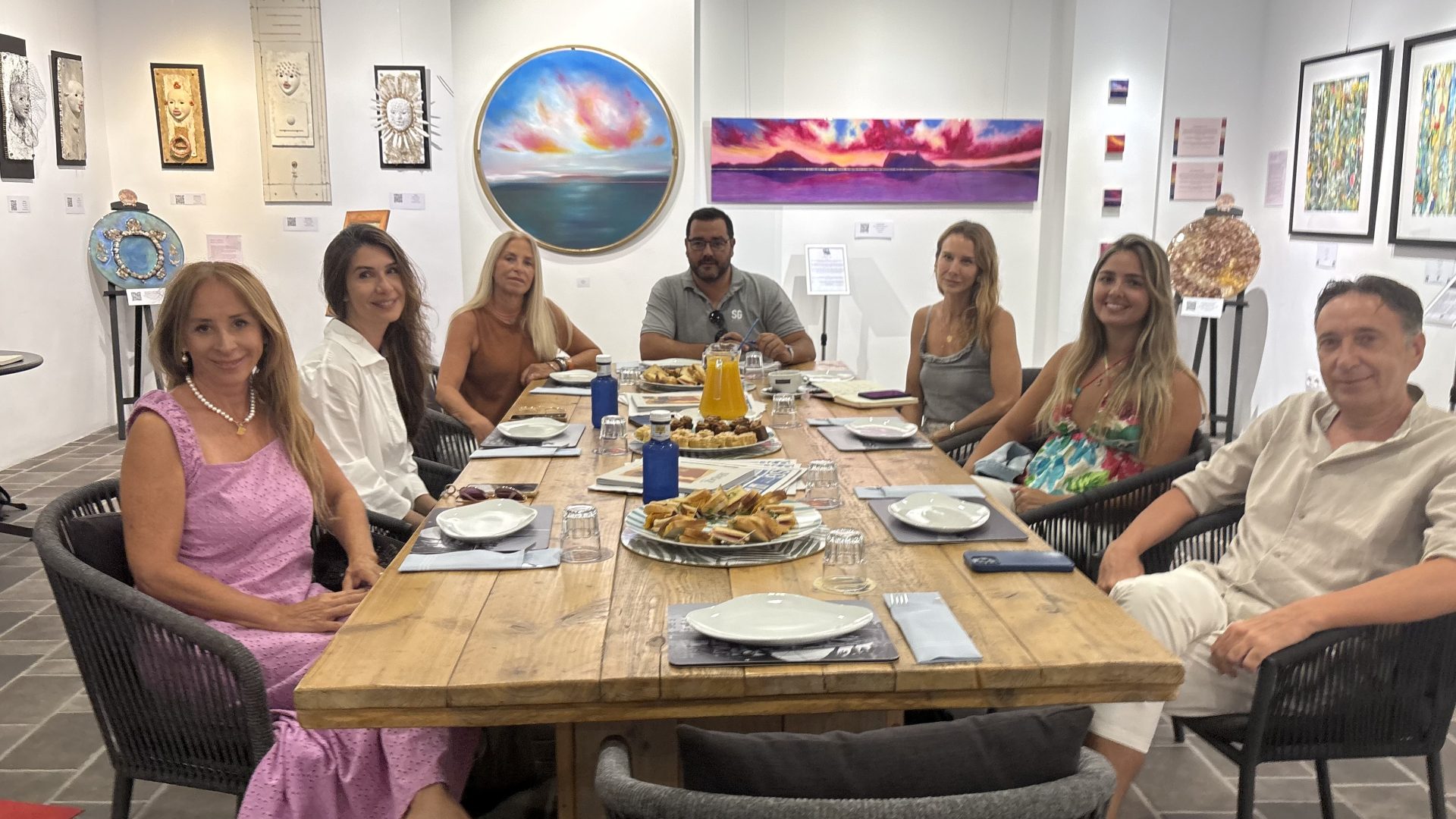
Ese fue el eje del encuentro de SGplus, en el que participaron Belén Ibáñez, PR& Brand Manager de Sotogrande S.A ; Clara Chammas, representante de Sotojets; Carlos Calvo, propietario de Jugarnia; Nydia Sutto, propietaria de Rentin Sotogrande; Martina Videla, responsable de la Kids Zone del polo en las canchas de Los Pinos; y Sara Rodriguez, responsable de la zona infantil de Trocadero Sotogrande.
Desde perspectivas muy diferentes, todos comparten una misma opinión: Sotogrande es un destino cada vez más elegido por las familias, y muchas de ellas especialmente jóvenes, pero esa situación también plantea algunas necesidades que deben abordarse si se quiere consolidar el modelo residencial y mantener su atractivo más allá de los meses de verano.
Para Belén Ibáñez, la explicación está en el propio origen del destino. “Lo familiar está en el ADN de Sotogrande”, señala. “La visión inicial desde su creación ya planteaba un lugar con instalaciones deportivas, naturaleza, seguridad y exclusividad, con la posibilidad de disfrutar de todo ello en familia”. De hecho, tal y como nos confirma Belén, esa condición sigue marcando buena parte de la estrategia de La Reserva y SO/ Sotogrande. “Siempre tenemos a las familias que residen aquí todo el año y las que nos visitan en el centro de nuestro pensamiento estratégico”, explica.
Este atractivo familiar de Sotogrande también se percibe desde los negocios que trabajan directamente con residentes y visitantes. Nydia Sutto aporta un dato tan sencillo como revelador. “Cuando comencé a gestionar alquileres vacacionales tenía una sola cuna, ahora ya tengo siete para ofrecer a mis clientes”, afirmando que cada vez son más frecuentes las peticiones de cunas, tronas y camas supletorias.
La explicación está en la evolución del perfil de sus clientes. “Cada vez veo que vienen más niños”, afirma Sutto, incidiendo en que es una señal clara de que Sotogrande “sigue evolucionando cada vez más hacia un destino familiar, atrayendo también a parejas jóvenes con niños pequeños”.
También Clara Chammas ha visto cómo las necesidades infantiles han ido incorporándose a su actividad en Sotojets. La empresa recibe tanto grupos de amigos como familias con niños, y ha tenido que adaptar progresivamente sus servicios y equipamiento. “Cada vez nos llegan más adultos con niños”, apunta, confirmando que “hemos tenido que aumentar el número de chalecos salvavidas infantiles”.
Carlos Calvo conoce esa demanda desde otra perspectiva. Su experiencia al frente del parque infantil Jugarnia le llevó a comprobar que existía una necesidad muy concreta de espacios lúdicos abiertos a un público amplio. “El 90% de la clientela que tenemos son familias», afirma sobre su actual actividad con embarcaciones. “Pero sigue necesitándose un espacio específico en la urbanización abierto al público de entretenimiento infantil». Calvo recuerda que, después del cierre de Jugarnia, continuó recibiendo durante años mensajes de familias preguntando cuándo volvería a existir un espacio de esas características. A su juicio, el problema no es la ausencia total de actividades infantiles, sino que muchas de ellas están vinculadas a establecimientos o espacios concretos.
Esa idea encuentra un ejemplo muy claro en la experiencia de Martina Videla, responsable de la Kids Zone del polo en Los Pinos. Su proyecto nació hace 18 años y apuesta por combinar diversión y aprendizaje. “Los niños de cinco a diez años deben jugar, deben crear juegos lúdicos”, explica. En su espacio se desarrollan talleres de arte, cerámica, carpintería y actividades ecológicas, junto a hinchables y juegos.
La propuesta ha demostrado incluso que el atractivo puede ir más allá del propio espectáculo deportivo y social que constituye el Torneo Internacional de Polo. De hecho Videla nos confirma que cuenta con clientes que acuden habitualmente a la Kids Zone aunque no vayan a asistir al polo. “No vengo a ver el polo, vengo al Kids Club, me dicen, y al principio me sorprendía”.
La seguridad general del entorno constituye otro de los argumentos que favorecen ese modelo de destino familiar. La posibilidad de que un niño pueda desplazarse con autonomía por la urbanización es un valor diferencial tanto para las familias de visitantes como para las que deciden convertirse en nuevos residentes de Sotogrande. “La tranquilidad para unos padres de que sus hijos puedan coger la bicicleta e irse con toda confianza es algo fundamental”, señala Nydia, con la que coinciden el resto de los integrantes de la mesa que también conocen el día a día de Sotogrande como vecinos de la zona.
Esto lleva el debate a una cuestión más amplia: cómo conseguir que Sotogrande mantenga actividad durante todo el año.
Tal y como se va detallando en la conversación, en verano, la oferta es amplia. La Reserva y SO/ Sotogrande programan campamentos, actividades deportivas, talleres, cine de verano y propuestas vinculadas a la cultura y al entretenimiento. “Deporte y cultura asociado al tema familiar es súper importante”, señala Ibáñez.
Trocadero también adapta su propuesta al perfil familiar durante los meses de mayor demanda. Sara explica que su zona infantil cuenta con piscina, animación, juegos y una oferta gastronómica específica. “Es vital porque además de que el niño lo necesita, los padres vienen aquí a disfrutar y pueden hacerlo con la tranquilidad de que sus hijos están entretenidos y bien atendidos”
El reto aparece cuando desaparece la temporada alta. Y ahí la conversación adquiere una dimensión que afecta no solo a las familias, sino al conjunto de la actividad comercial. “Es necesario conseguir que aumente el flujo de visitantes fuera de la temporada alta y sería ideal una mayor coordinación entre los comerciantes locales”, plantea Calvo.
La idea que gana fuerza durante el encuentro es la creación de una asociación de comerciantes que permita coordinar iniciativas y generar una programación conjunta. “Todos tenemos brillantes ideas”, apunta Calvo. “El problema es que cada negocio trabaja habitualmente de forma independiente. Una estructura común permitiría compartir propuestas, promocionarlas y evitar que las actividades se concentren en unas fechas mientras otras quedan vacías”.
“También ayudaría a ordenar el calendario”, propone Videla. Una cuestión especialmente importante en Navidad, Semana Santa o durante los meses de invierno, cuando varias actividades pueden coincidir mientras otros días carecen de programación. “Hay muchas cosas para crear y ayudarnos entre todos”, sostiene.
El encuentro termina con una propuesta concreta de Videla: organizar un Día del Niño en Sotogrande, aprovechando instalaciones y recursos ya existentes y sumando a diferentes empresas. Sería, explica, una primera prueba que podría crecer en futuras ediciones.
Una propuesta que demuestra que Sotogrande como destino para todos los públicos ya cuenta con muchos de los elementos que necesita: familias, residentes, seguridad, naturaleza, deporte y una amplia oferta privada, pero siempre queda hueco para más para ideas o propuestas nuevas con las que reforzar este carácter familiar que entronca directamente con la identidad de Sotogrande.
_____________________________________
SGplus Gatherings
Sotogrande, a family venture for the whole year
Six professionals linked to leisure, tourism and residential activity reflect on Sotogrande’s profile as a family destination and the options for consolidating this model beyond the peak tourism season.
Sotogrande has, in its residential character, one of its main assets. Nature, security, sport, tranquillity, and a lifestyle linked to leisure are all part of a way of life that has made the area a unique destination. But this model is also evolving. In recent years, families have gained weight among residents and visitors alike, and with them grows the need for a leisure and entertainment offering capable of accompanying them throughout the year.
That was the focus of the SGplus gathering, which brought together Belén Ibáñez, PR&Brand Manager Sotogrande SA; Clara Chammas, representative of Sotojets; Carlos Calvo, owner of Jugarnia; Nydia Sutto, owner of Rentin Sotogrande; Martina Videla, head of the Kids Zone at the polo fields of Los Pinos; and Sara Rodriguez, head of the children’s area at Trocadero.
From very different perspectives, they all share the same view: Sotogrande is an increasingly popular choice for families, many of them especially young, but this trend also brings with it certain needs that must be addressed if the residential model is to be consolidated and its appeal maintained beyond the summer months.
For Belén Ibáñez, the explanation lies in the destination’s very origins. «The family element is in Sotogrande’s DNA,» she says. «The original vision from its creation already envisaged a place with sports facilities, nature, security and exclusivity, with the possibility of enjoying all of this as a family.» In fact, as Belén confirms, this condition continues to shape much of the strategy at La Reserva and SO/ Sotogrande. «We always keep the families who live here all year round and those who visit us at the centre of our strategic thinking,» she explains.
This family appeal of Sotogrande is also felt by businesses that work directly with residents and visitors. Nydia Sutto offers a piece of data as simple as it is revealing. «When I started managing holiday rentals, I had just one cot; now I have seven to offer my clients,» she says, adding that requests for cots, high chairs and extra beds are increasingly common.
The explanation lies in the changing profile of her clients. «I increasingly see more children coming,» says Sutto, stressing that this is a clear sign that Sotogrande «continues to evolve more and more towards a family destination, also attracting young couples with small children.»
Clara Chammas has also seen how children’s needs have gradually been incorporated into her activity at Sotojets. The company receives both groups of friends and families with children, and has had to progressively adapt its services and equipment. «We are getting more and more adults with children,» she notes, confirming that «we have had to increase the number of children’s life jackets.»
Carlos Calvo knows this demand from another perspective. His experience running the children’s play centre Jugarnia led him to see that there was a very specific need for leisure spaces open to a wide audience. «Ninety per cent of our clientele are families,» he says of his current activity with boats. «But there is still a need for a specific space in the development open to the public for children’s entertainment.» Calvo recalls that after Jugarnia closed, he continued to receive messages for years from families asking when a space of that kind would exist again. In his view, the problem is not a total absence of children’s activities, but that many of them are tied to specific establishments or venues.
That idea finds a very clear example in the experience of Martina Videla, head of the Kids Zone at the Los Pinos polo fields. Her project began 18 years ago and focuses on combining fun and learning. «Children aged five to ten need to play, they need to create games,» she explains. Her space runs workshops in art, ceramics, carpentry and ecological activities, alongside bouncy castles and games.
The offering has even shown that its appeal can extend beyond the sporting and social spectacle of the International Polo Tournament. In fact, Videla confirms that she has clients who regularly come to the Kids Zone even if they are not attending the polo. «I’m not here to watch polo, I’m here for the Kids Club, they tell me, and at first I was surprised.»
The general security of the environment is another factor that favours this family-friendly destination model. The ability for a child to move around the development independently is a distinguishing feature both for visiting families and for those who decide to become new residents of Sotogrande. «The peace of mind for parents, knowing their children can take their bikes and go off with complete confidence, is fundamental,» says Nydia, a view shared by the other participants, who also know Sotogrande’s day-to-day life as locals.
This leads the discussion to a broader question: how to ensure Sotogrande remains active throughout the year.
As the conversation unfolds, it becomes clear that in summer, the offering is extensive. La Reserva and SO/ Sotogrande organise camps, sports activities, workshops, outdoor cinema and cultural and entertainment events. «Sports and culture linked to family matters is hugely important,» says Ibáñez.
Trocadero also adapts its offering to family profiles during the peak months. Sara explains that its children’s area has a pool, entertainment, games and a specific food offering. «It’s vital because as well as the child needing it, parents come here to enjoy themselves and can do so with the peace of mind that their children are entertained and well looked after.»
The challenge arises when the high season ends. And at that point, the conversation takes on a dimension that affects not only families but the whole of the local commercial activity. «We need to increase visitor numbers outside the peak season, and greater coordination between local traders would be ideal,» suggests Calvo.
The idea gaining momentum during the meeting is the creation of a traders’ association to coordinate initiatives and generate a joint programme. «We all have brilliant ideas,» notes Calvo. «The problem is that each business usually works independently. A common structure would allow us to share proposals, promote them and prevent activities from being concentrated on certain dates while others remain empty.»
«It would also help to organise the calendar,» proposes Videla. This is particularly important at Christmas, Easter or during the winter months, when several activities may coincide while other days have no programming. «There are many things to create and we can all help each other,» she argues.
The gathering ends with a specific proposal from Videla: to organise a Children’s Day in Sotogrande, making use of existing facilities and resources and bringing together different businesses. It would, she explains, be an initial trial that could grow in future editions.
A proposal that demonstrates that Sotogrande as a destination for all audiences already has many of the elements it needs: families, residents, security, nature, sport and a wide private offering. But there is always room for more ideas or new initiatives to reinforce this family character that is directly linked to Sotogrande’s identity.